
ENTWINED MATTERS by PAN- PROJECTS
Installation | Valga, Estonia
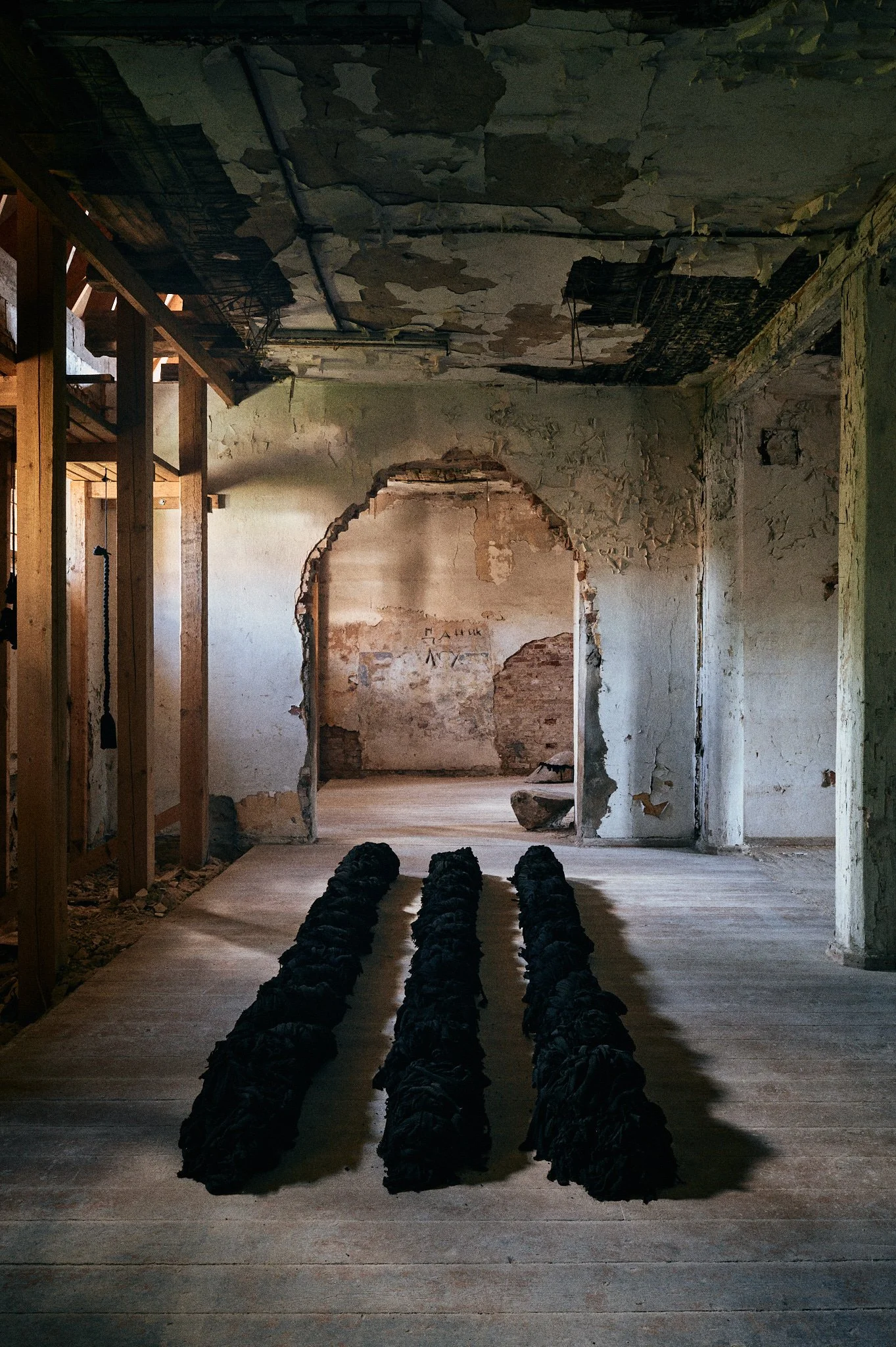
ENTWINED MATTERS | PAN- PROJECTS | photography: Yuta Sawamura
DESIGN NOTE
Distinctive approach that reframes waste as material
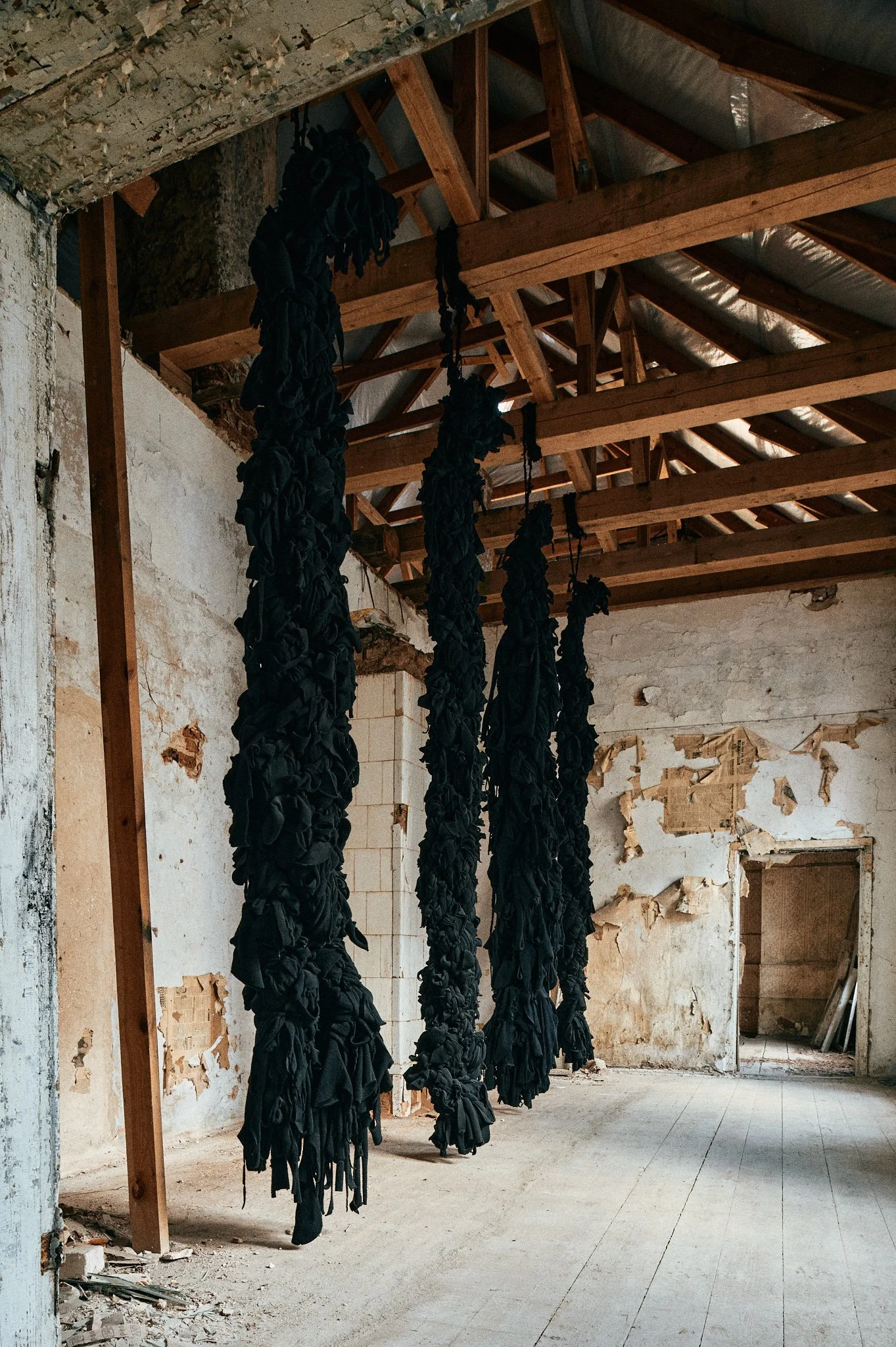
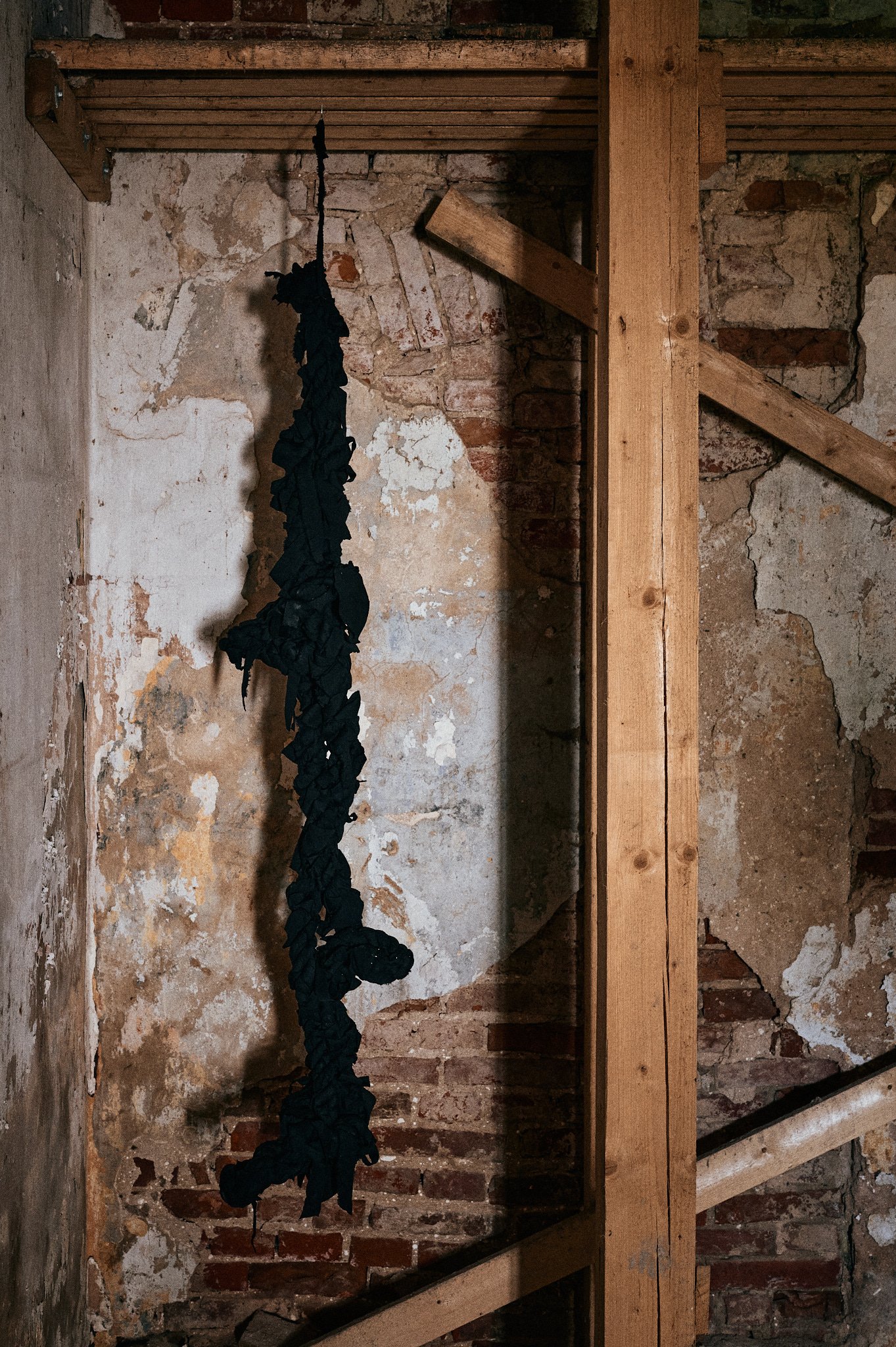
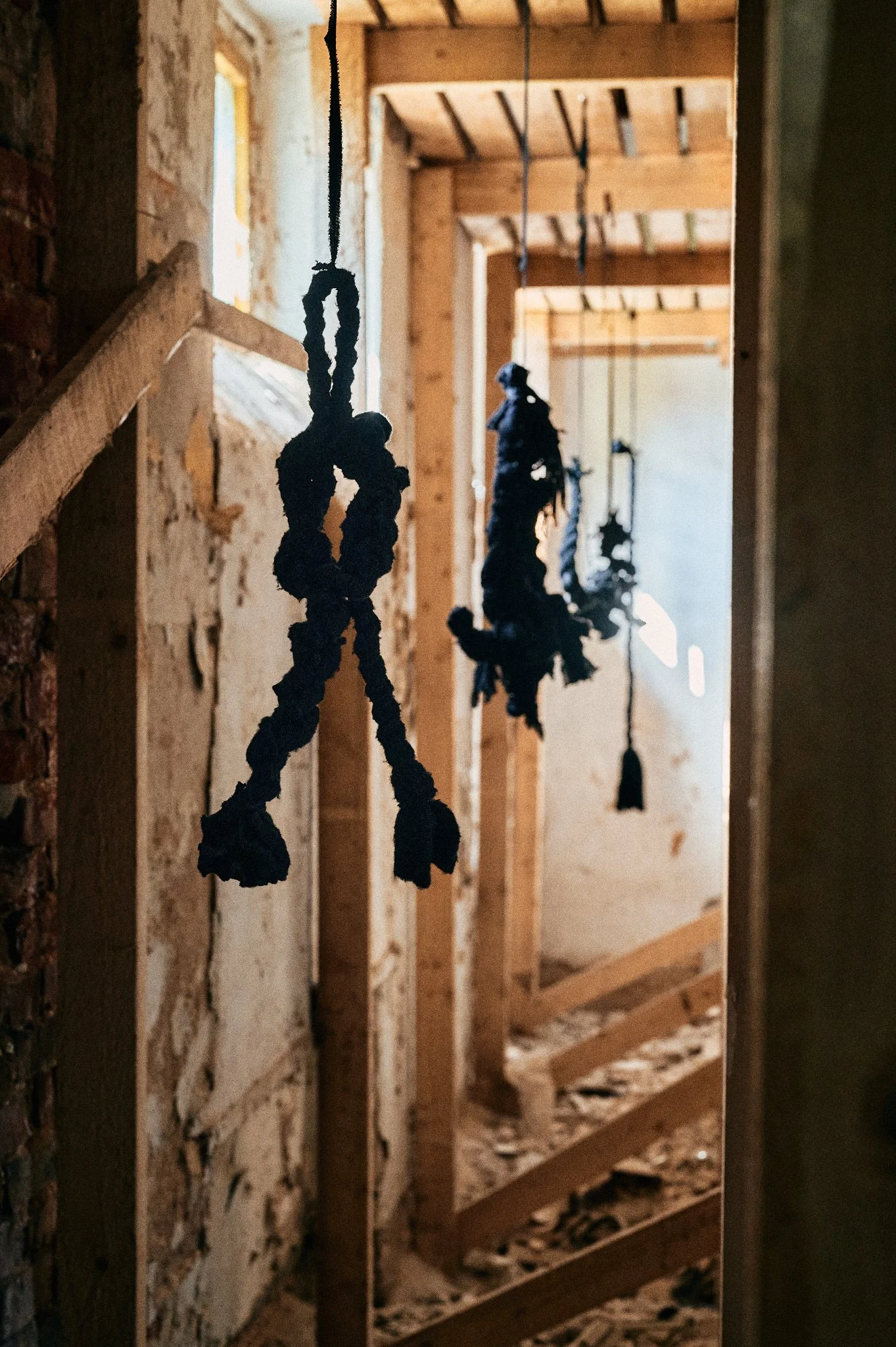
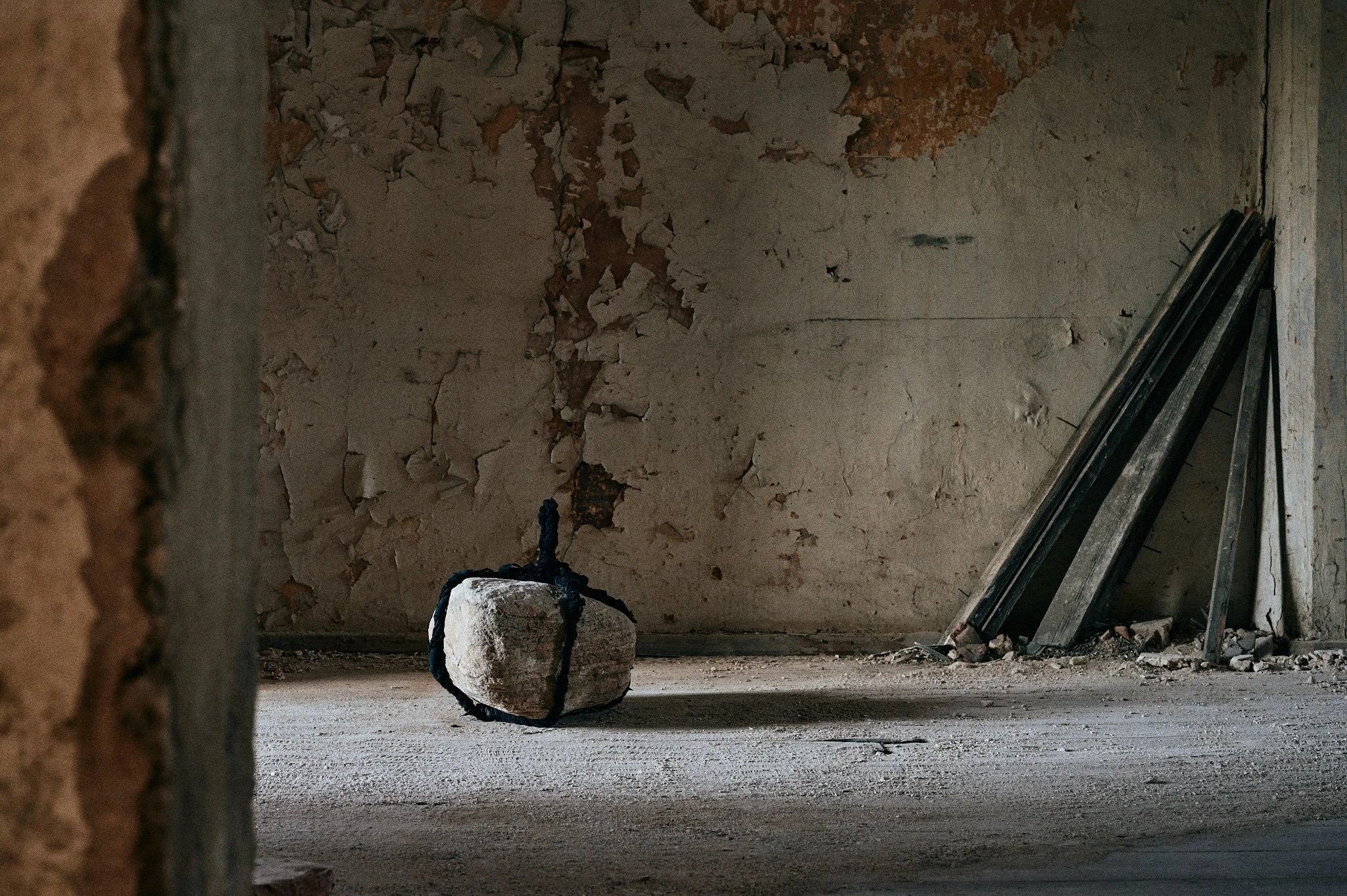
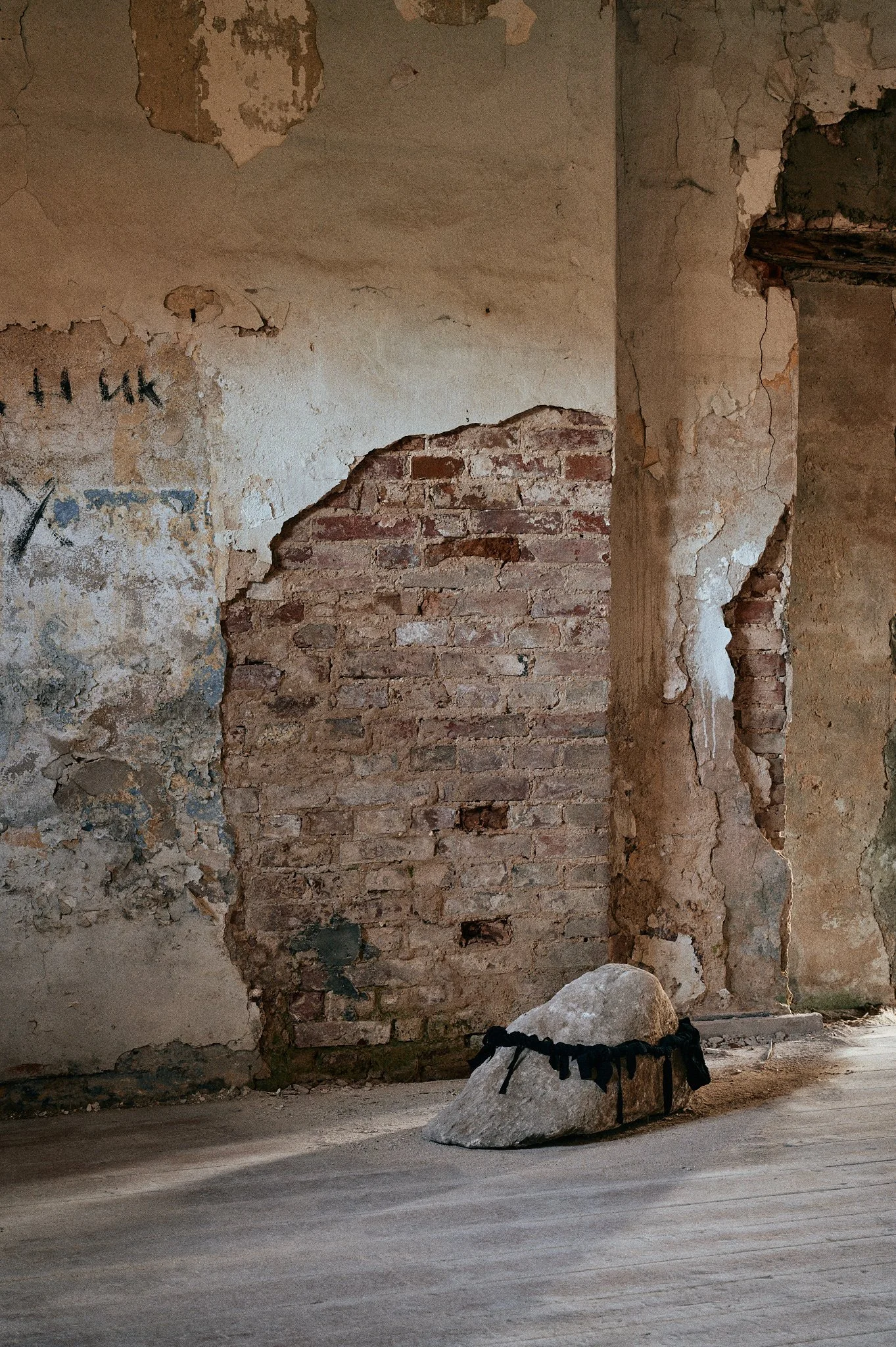
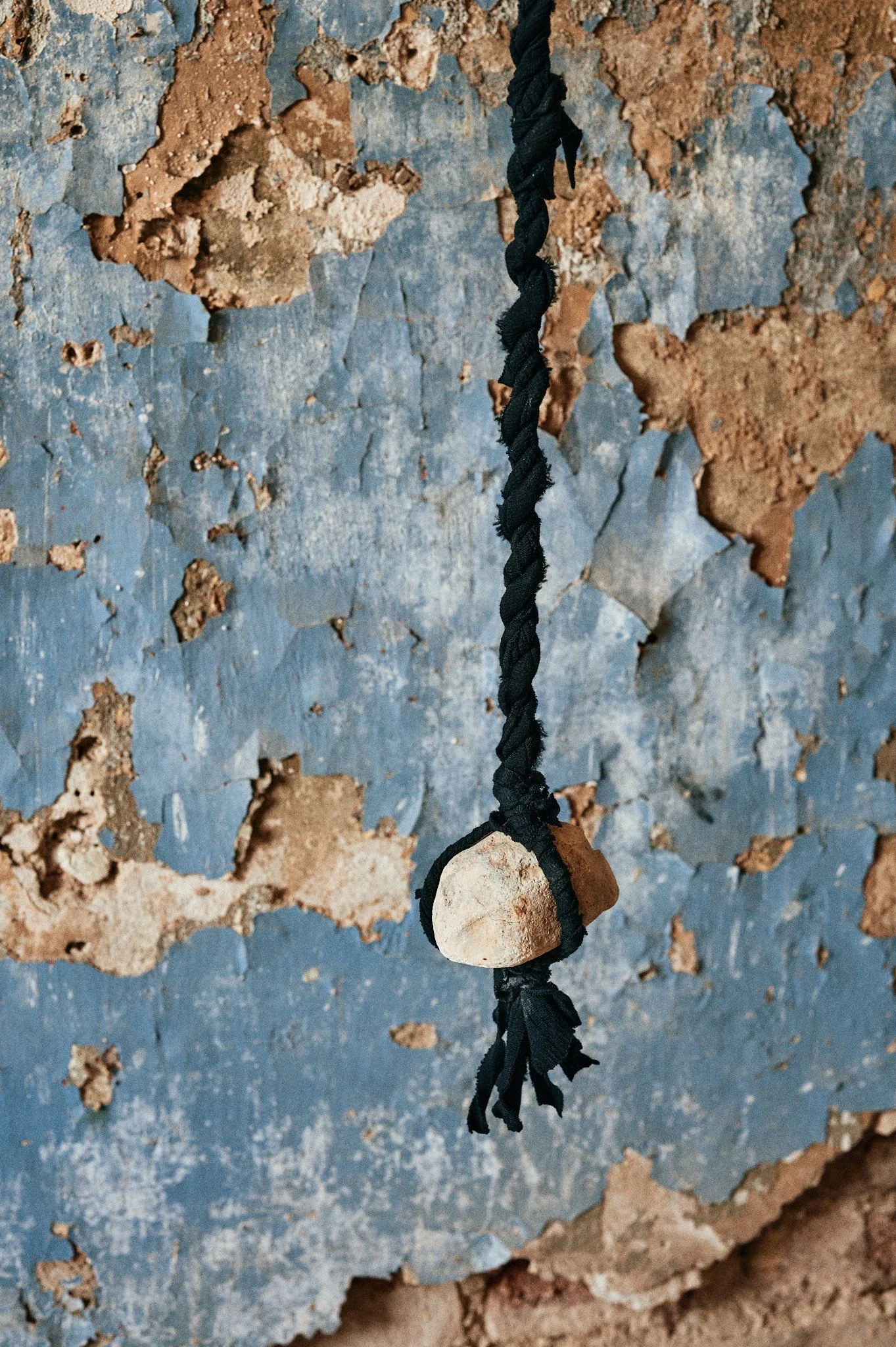
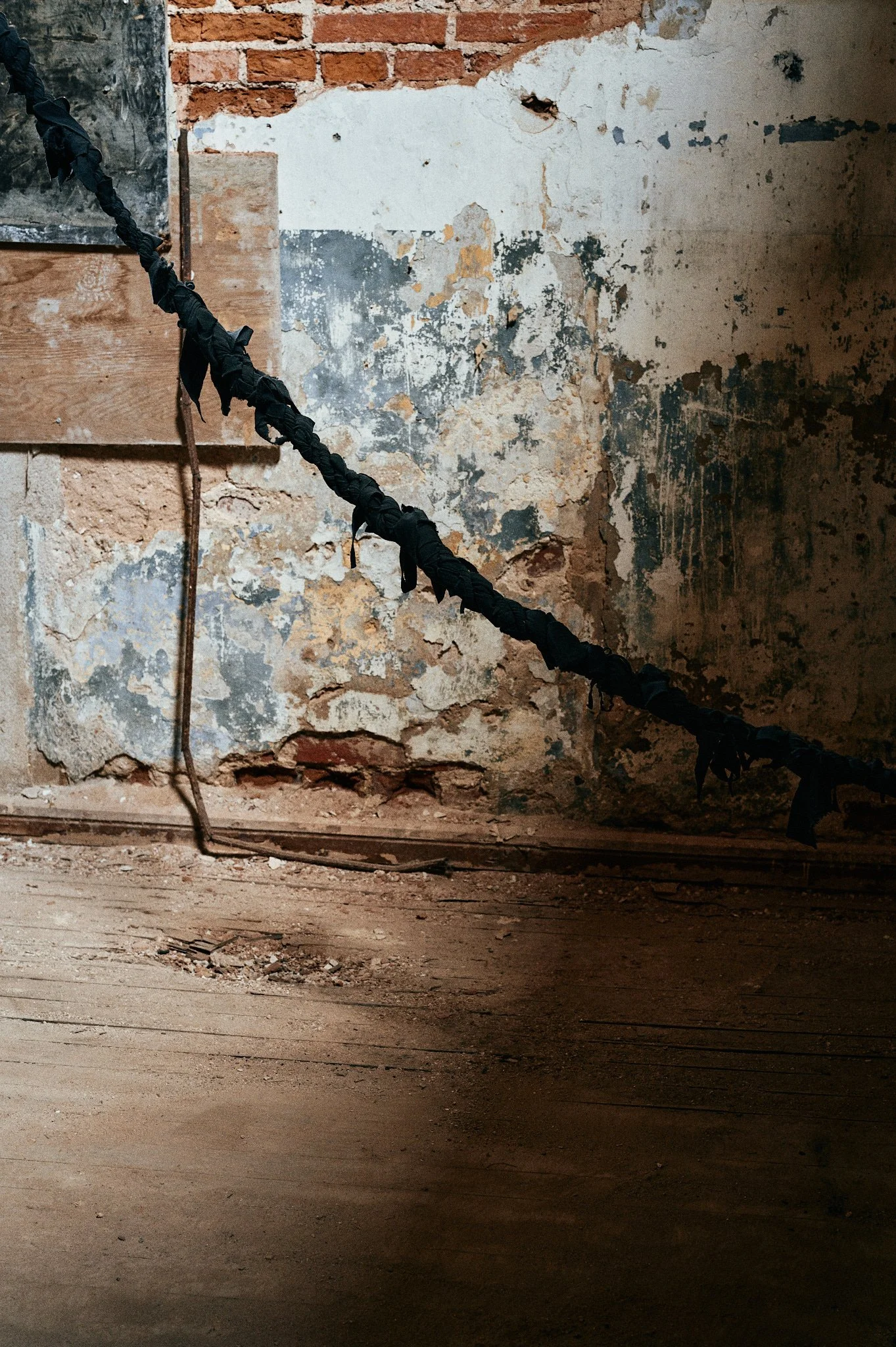
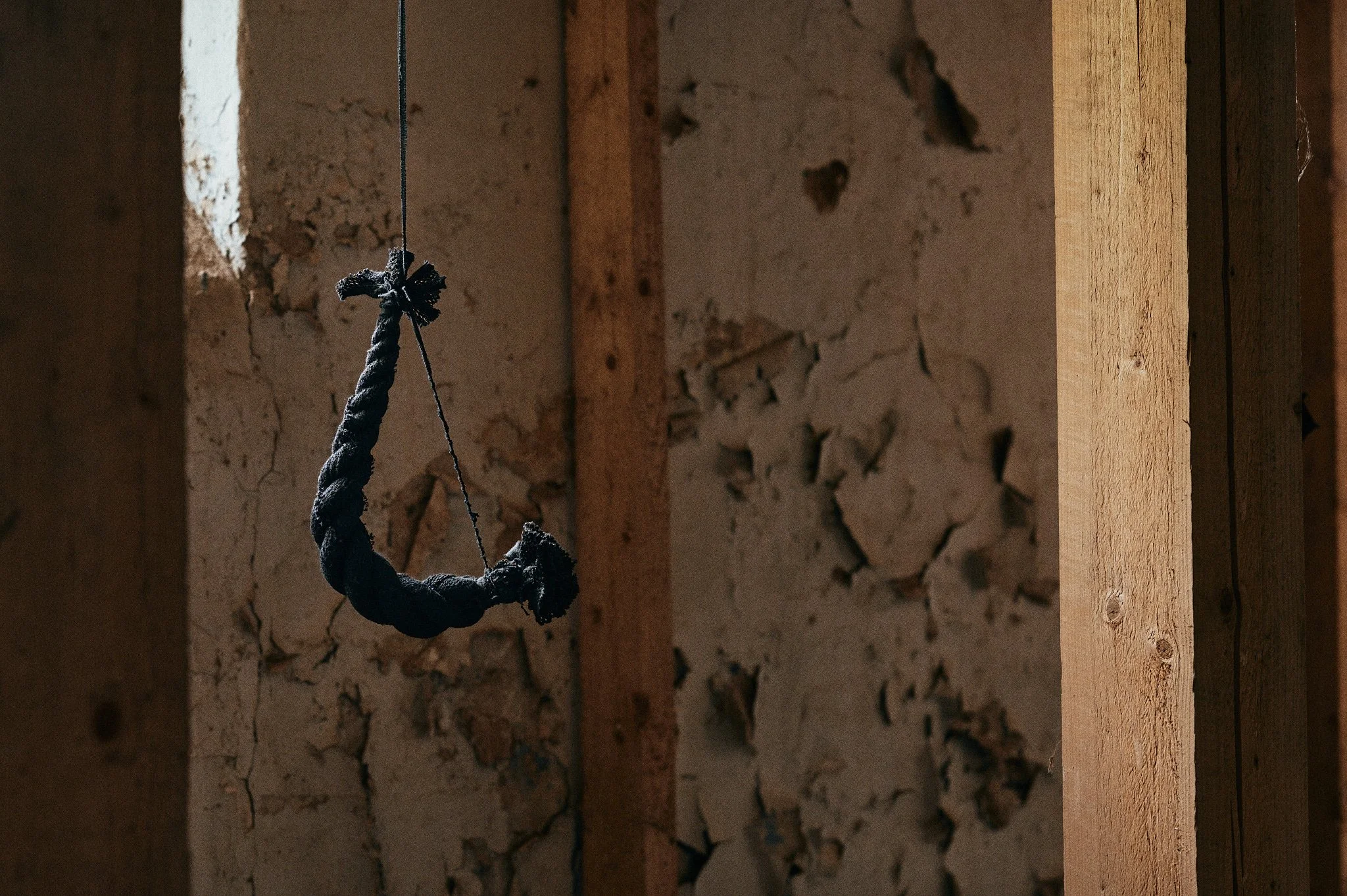
Installation using handmade rope, primitive in form
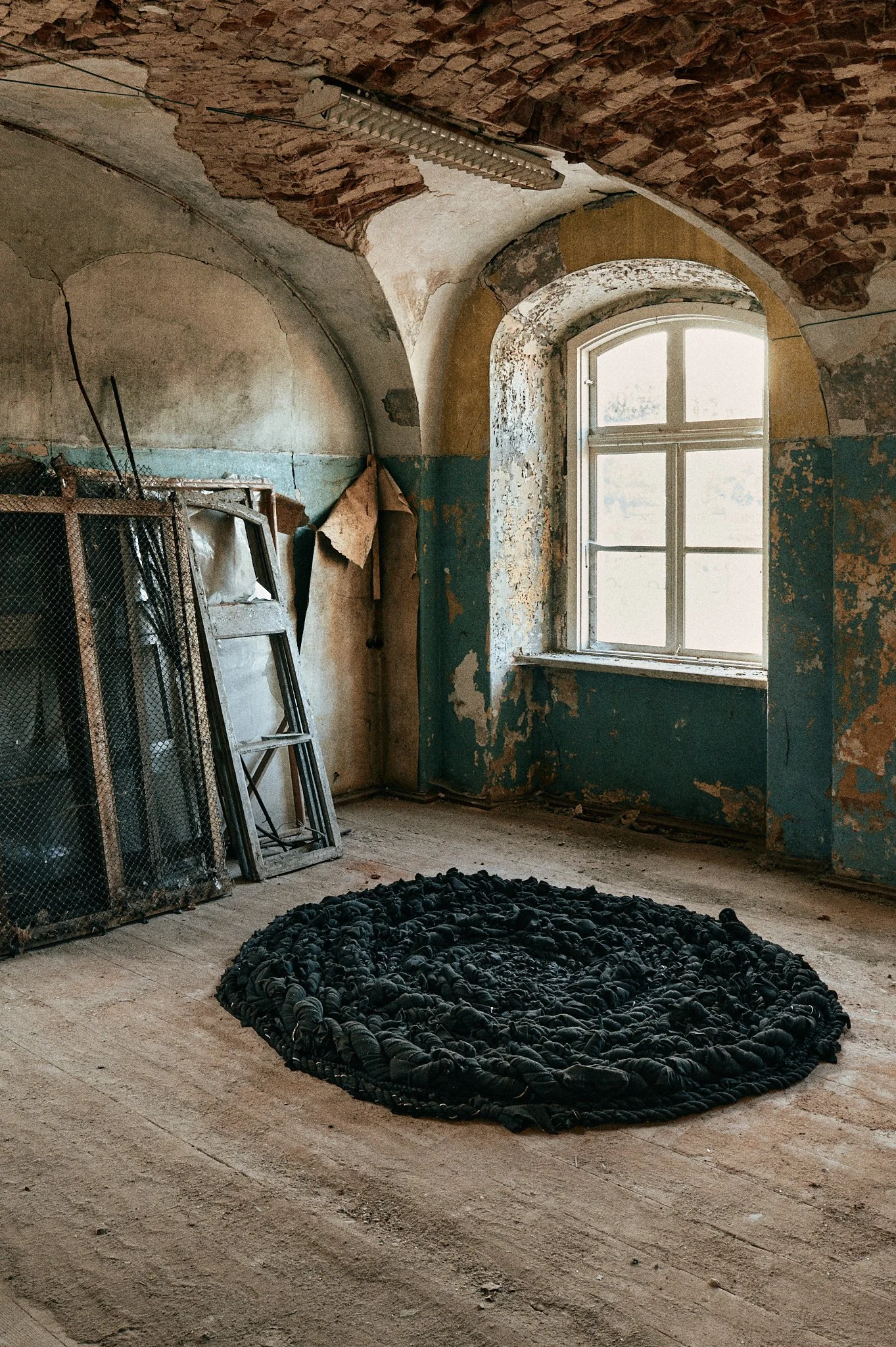
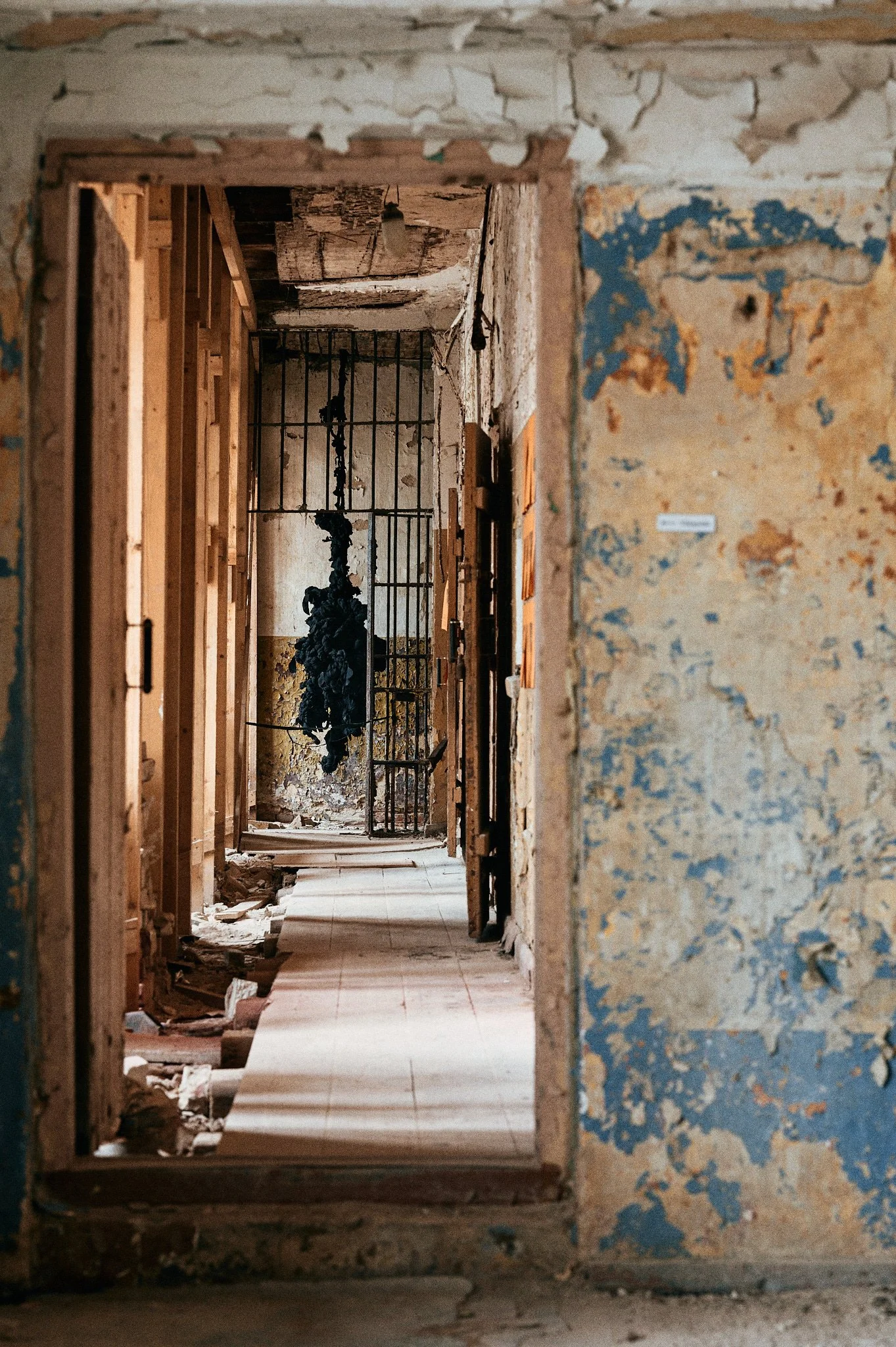
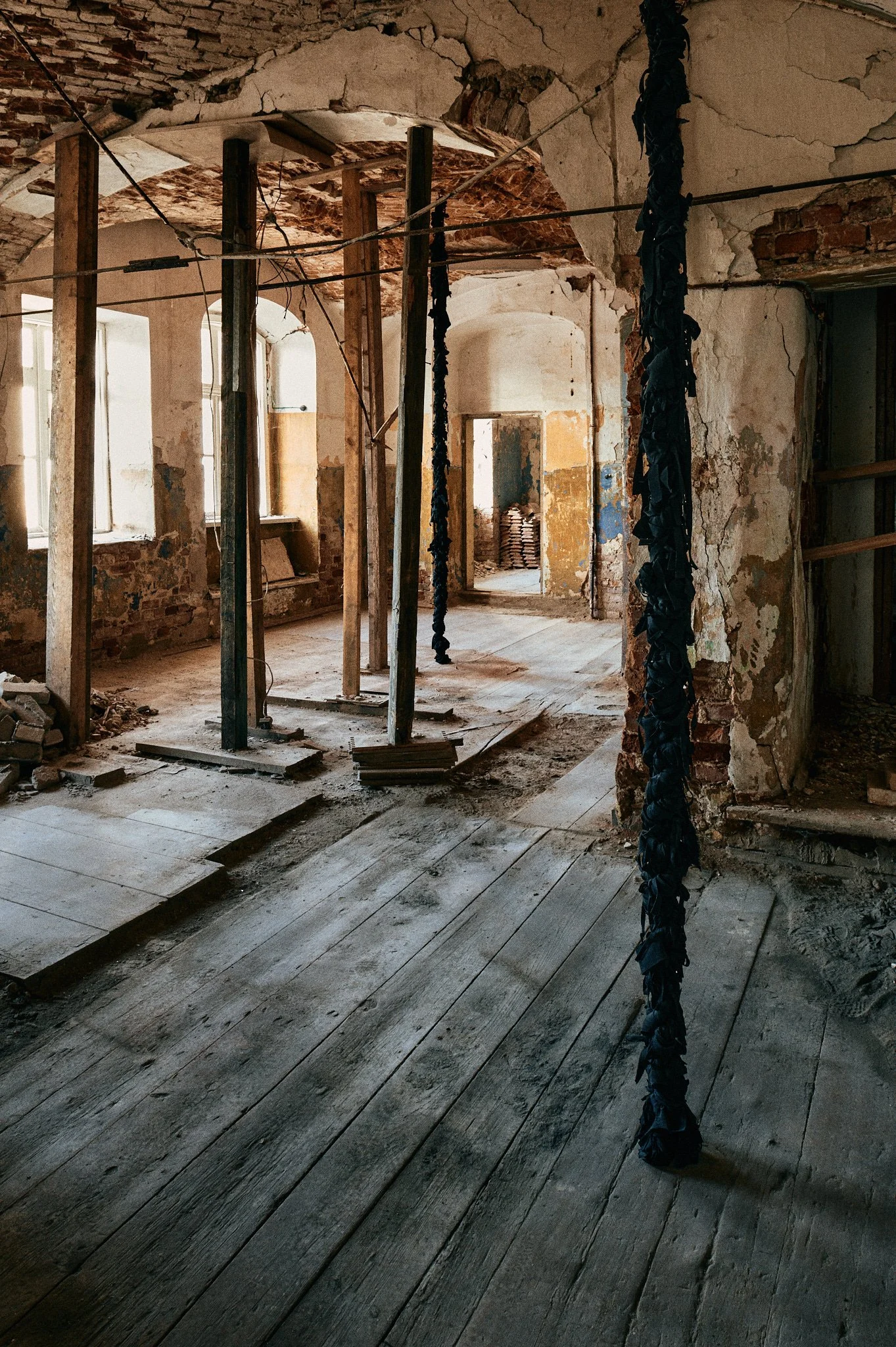
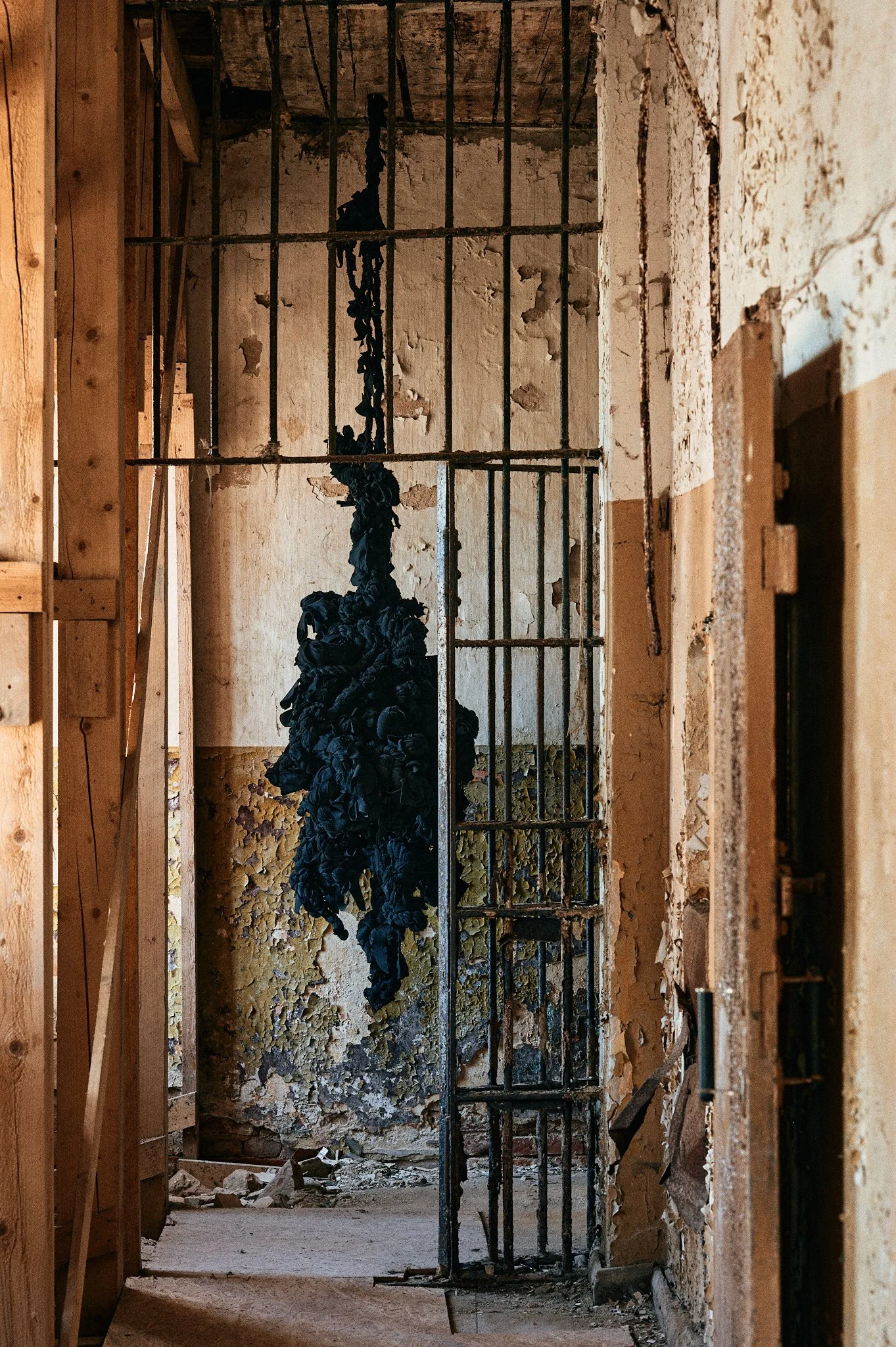
Spatial composition in dialogue with historic architecture
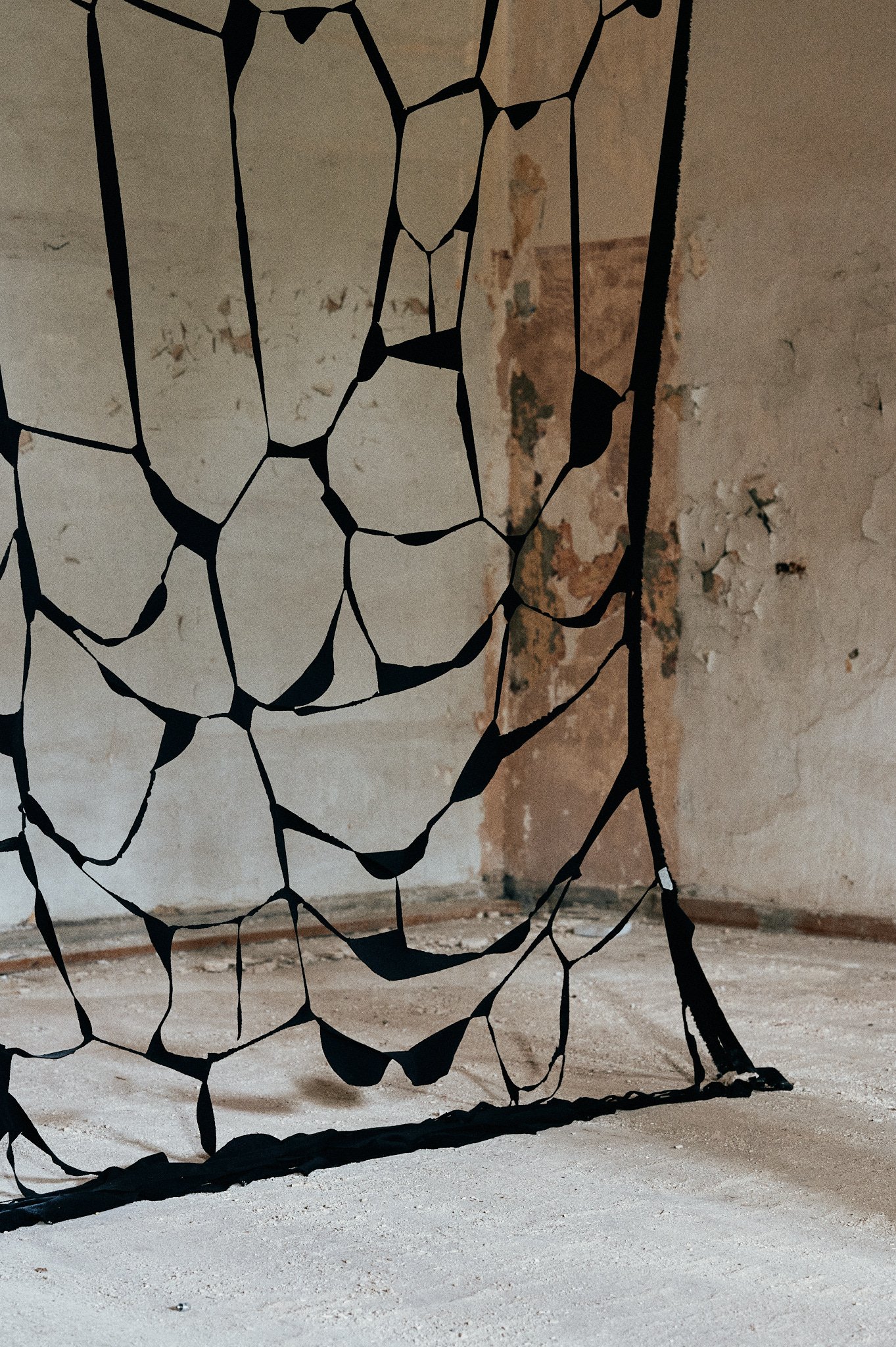
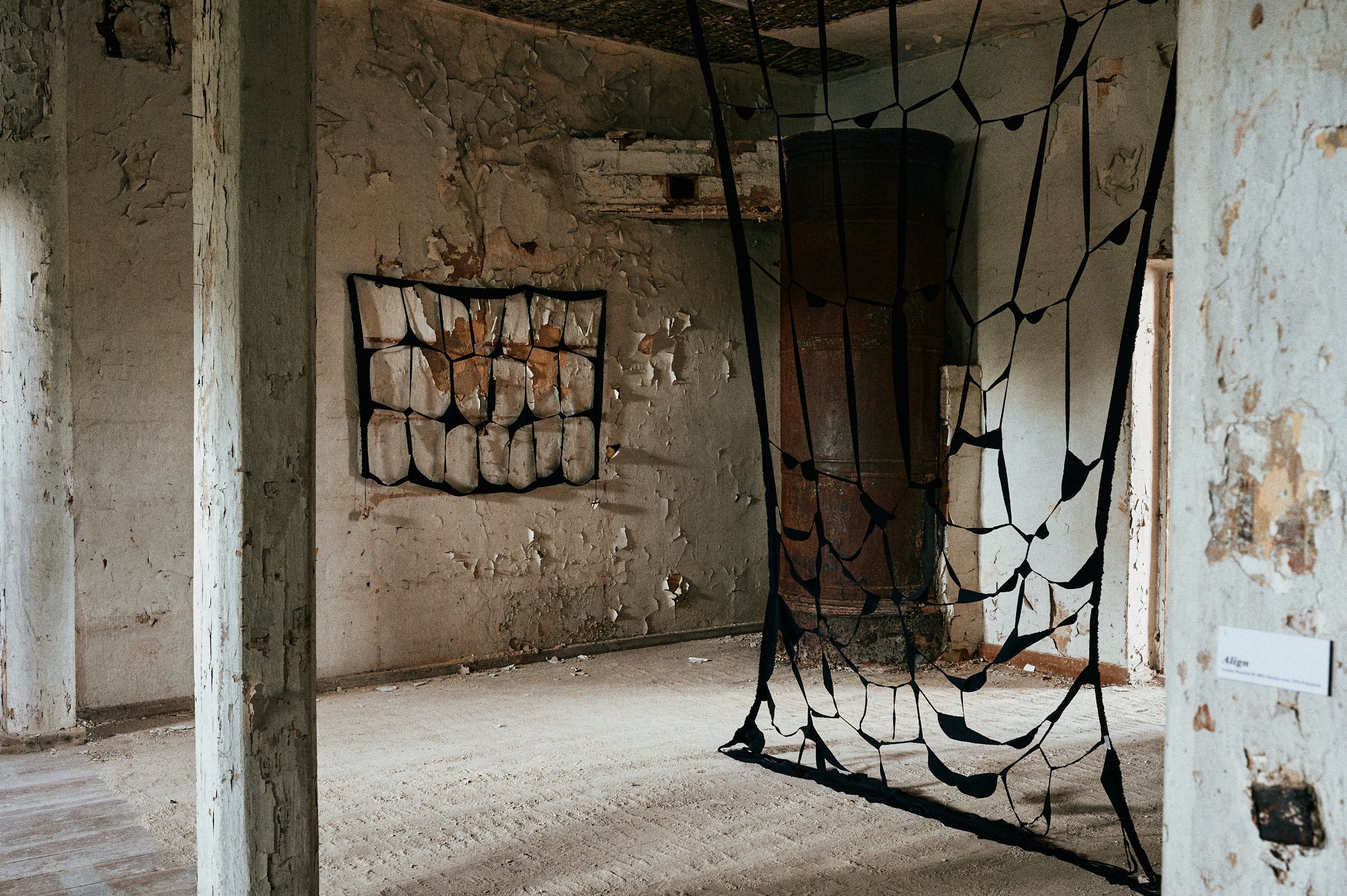
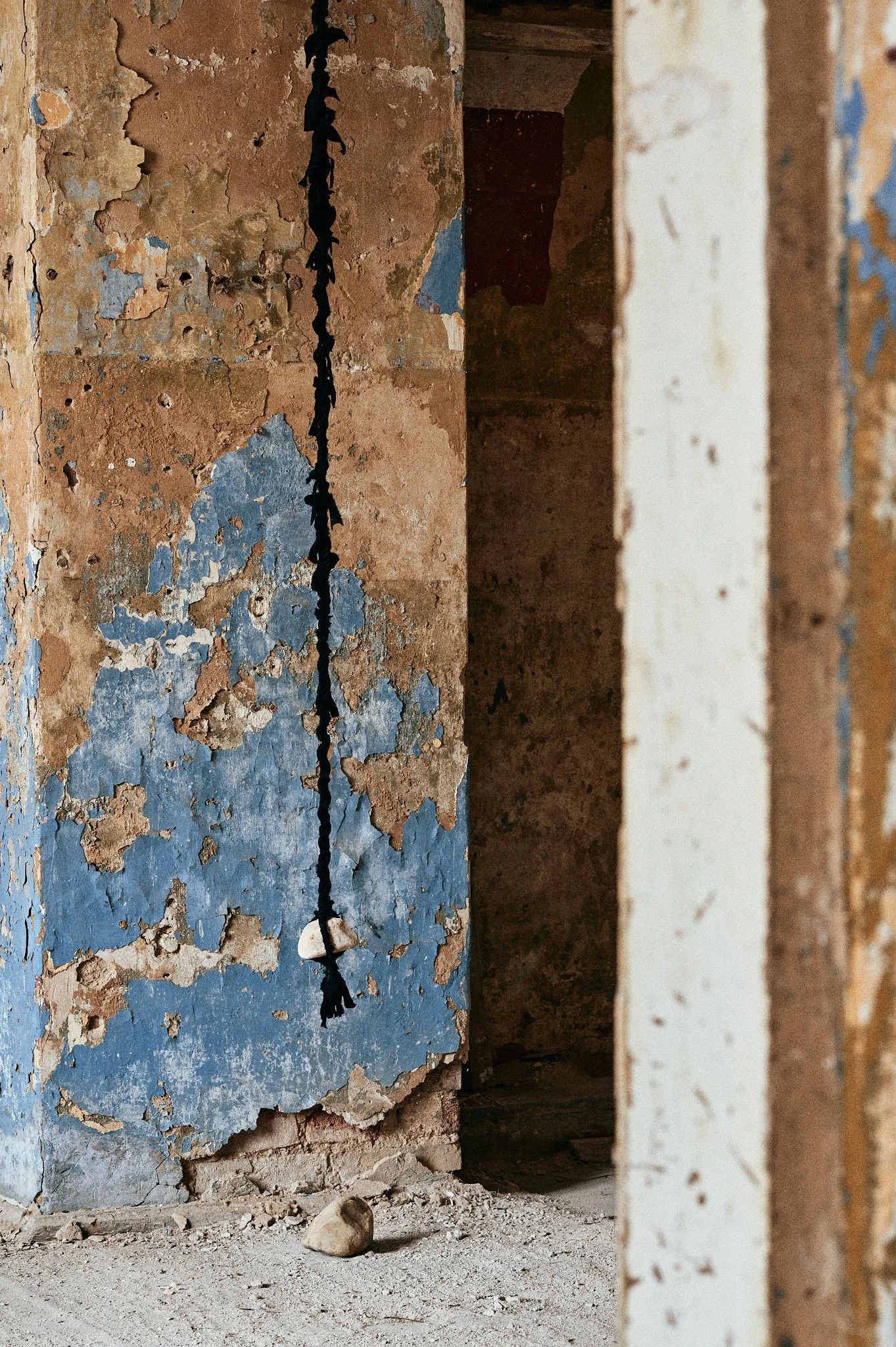
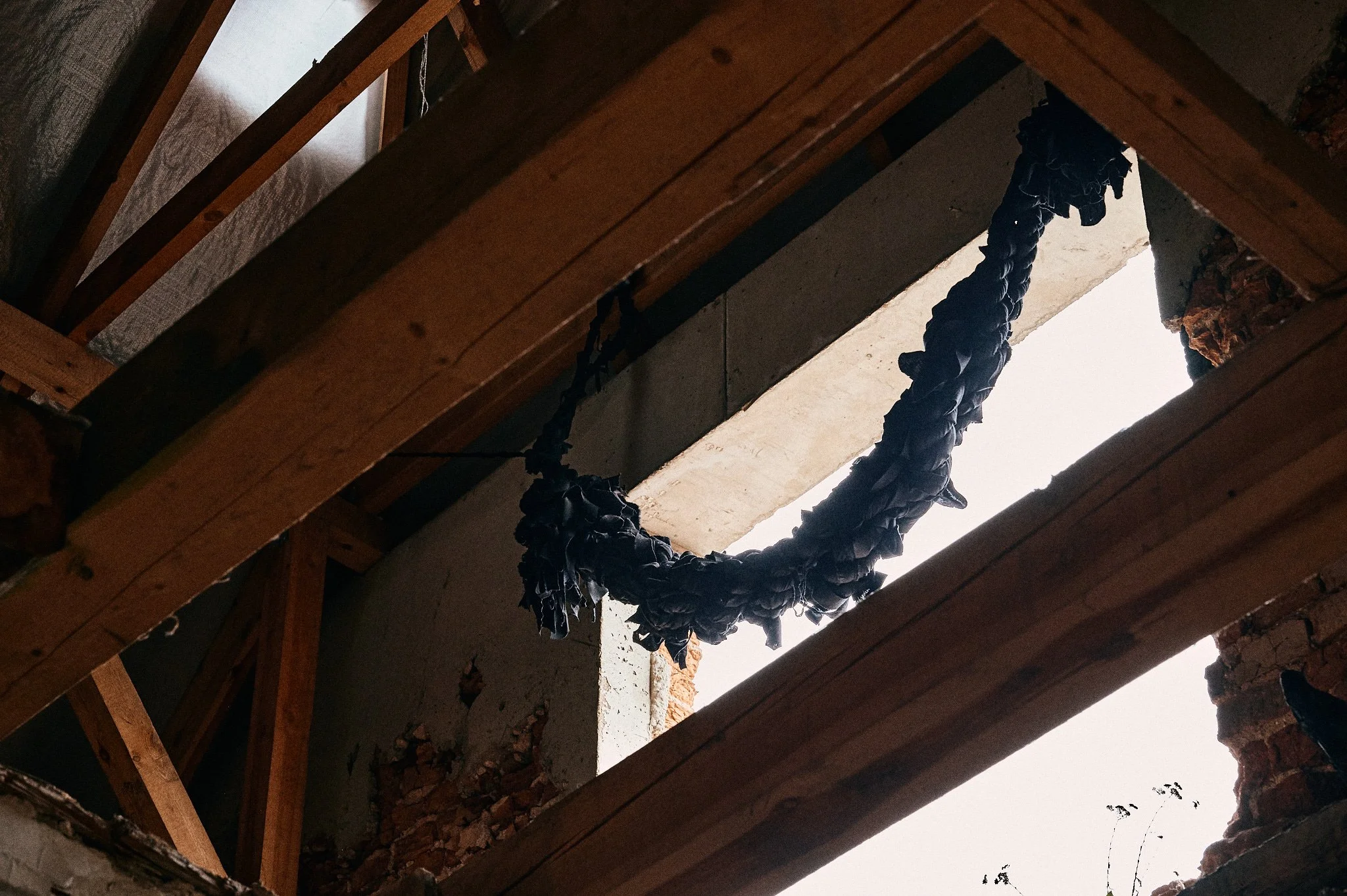
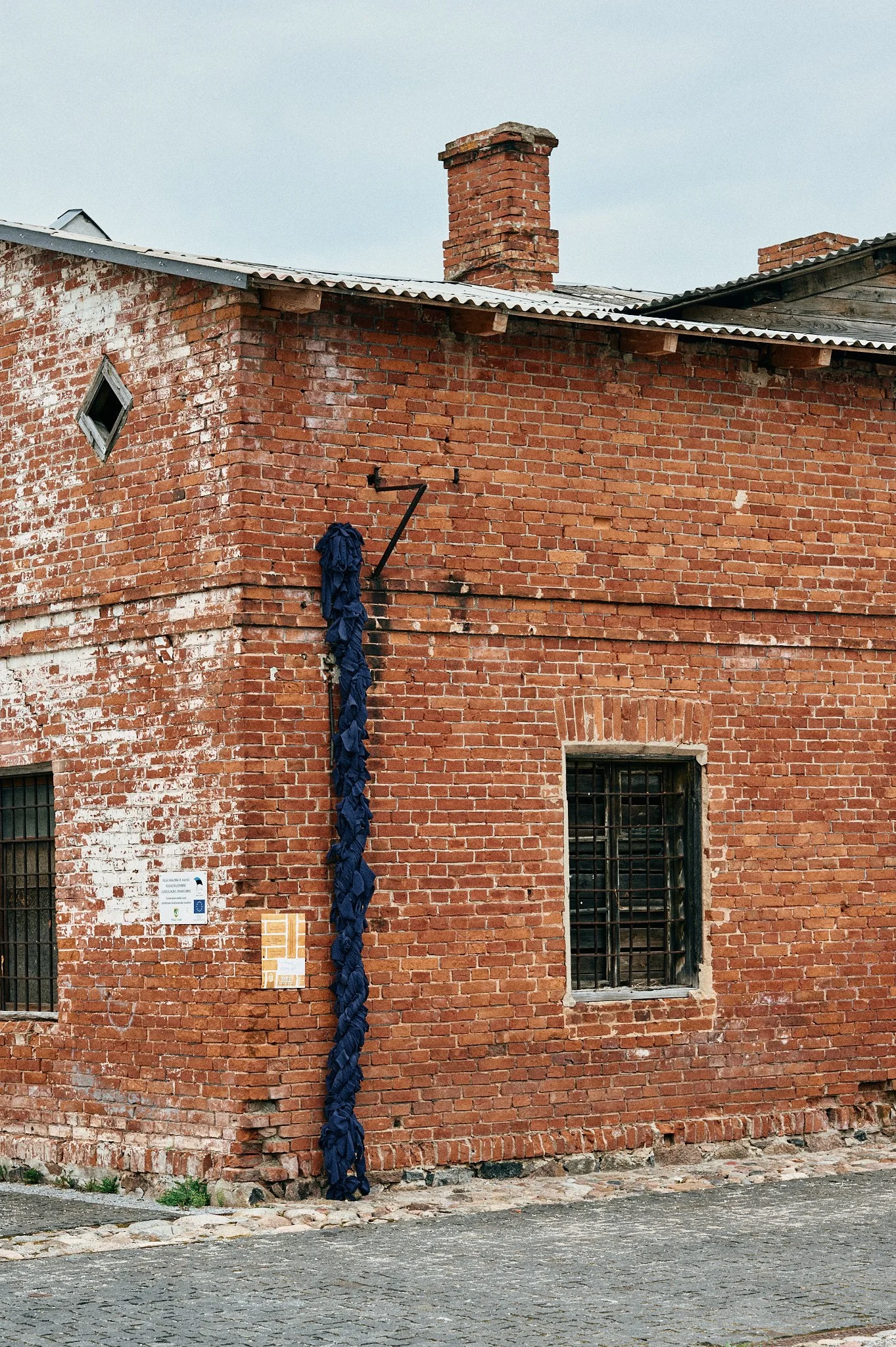
photography: Yuta Sawamura
words : Reiji Yamakura/IDREIT
"Entwined Matters" is a project by London-based architectural design studio PAN- PROJECTS, led by Yuriko Yagi and Kazumasa Takada, in which offcut fabric sourced from southern Estonia is given an entirely new purpose. The work came about after PAN-PROJECTS was selected for VARES (Valga Architecture Residency), a residency programme for architects run in conjunction with the European Capital of Culture Tartu 2024*. The duo spent their residency period in the city of Valga creating the piece, which was presented as an installation titled "know the ropes."
We asked Yagi and Takada about their decision to work with fabric as a material. "We have been consistently developing a series of research-driven projects called 'Architecture of By-products.' True to the name, the project takes what is typically regarded as waste and reframes it as a by-product of urban life, finding ways to bring the stories of those materials back into architecture and space. Paper Pavilion (2017, Denmark), made from waste paper, and Mum (2022, Japan), a dining table that upcycles discarded fishing equipment, are both part of this ongoing series. For this residency, we had been imagining a project that used materials with a connection to Valga, something that could express a relationship with the city and its architecture. In terms of the material itself, our previous projects had mostly drawn on by-products of everyday activity, so this time we wanted to engage with industrial waste from the local area. We raised the idea with the organisers, and that's how we found the off-cut textiles."
What was waiting for them ahead of the making process was a large quantity of merino wool offcuts sourced from a clothing factory in the region.
"The residency ran for one month, and we spent the first two weeks or so on research. There was a huge amount of offcut material, pieces machine-cut from large rolls, each one a different shape, and we were constantly thinking about how we might give this material some kind of form," Takada recalls. Within Architecture of By-products, finding the right method to honour the material is everything. "In an era when architecture has become overly specialised, we believe the most important thing for this series is to bring ideas back down to something simple, techniques that anyone can do," he says. After those two weeks of research, the method they landed on was rope.
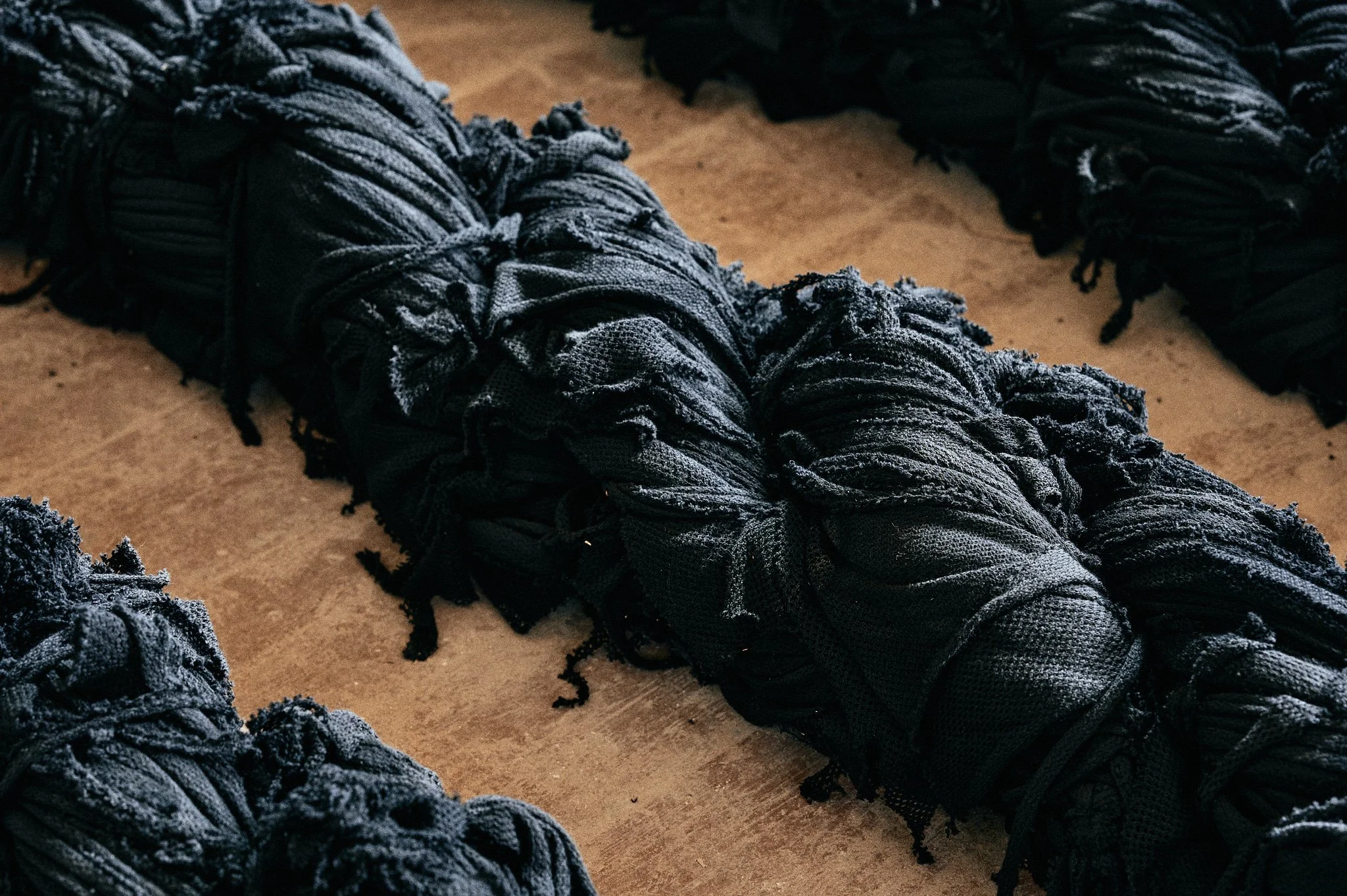
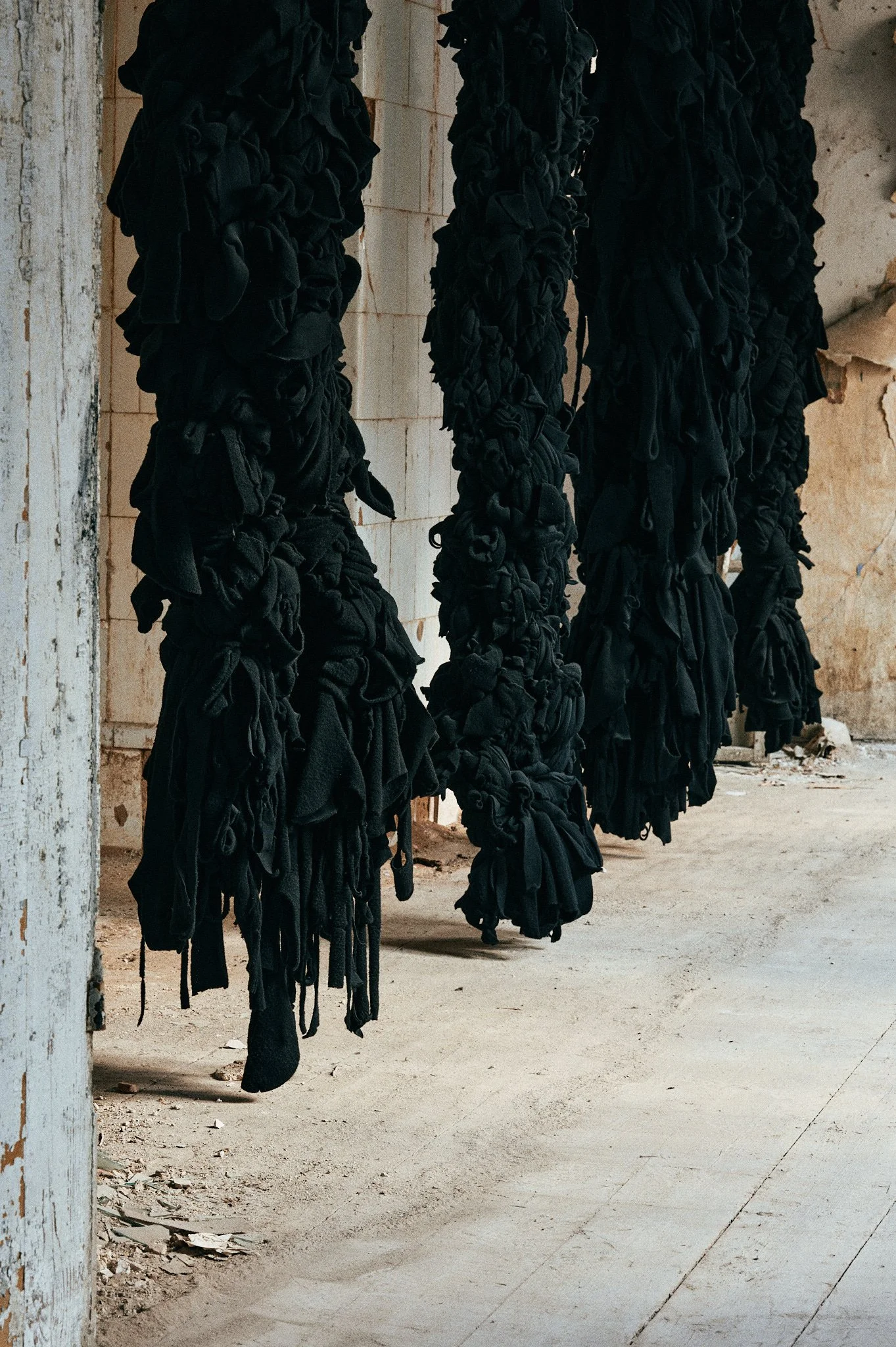
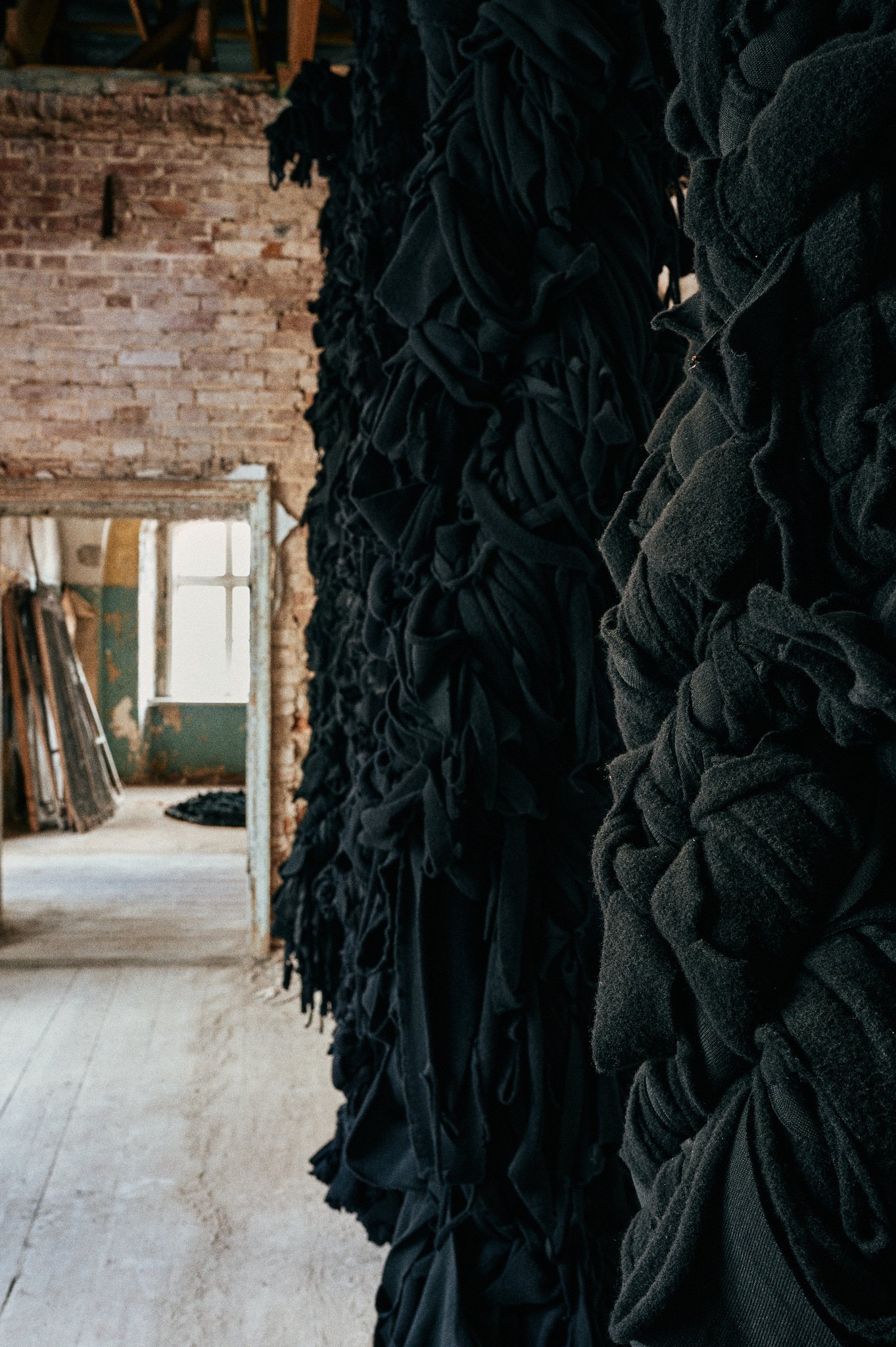
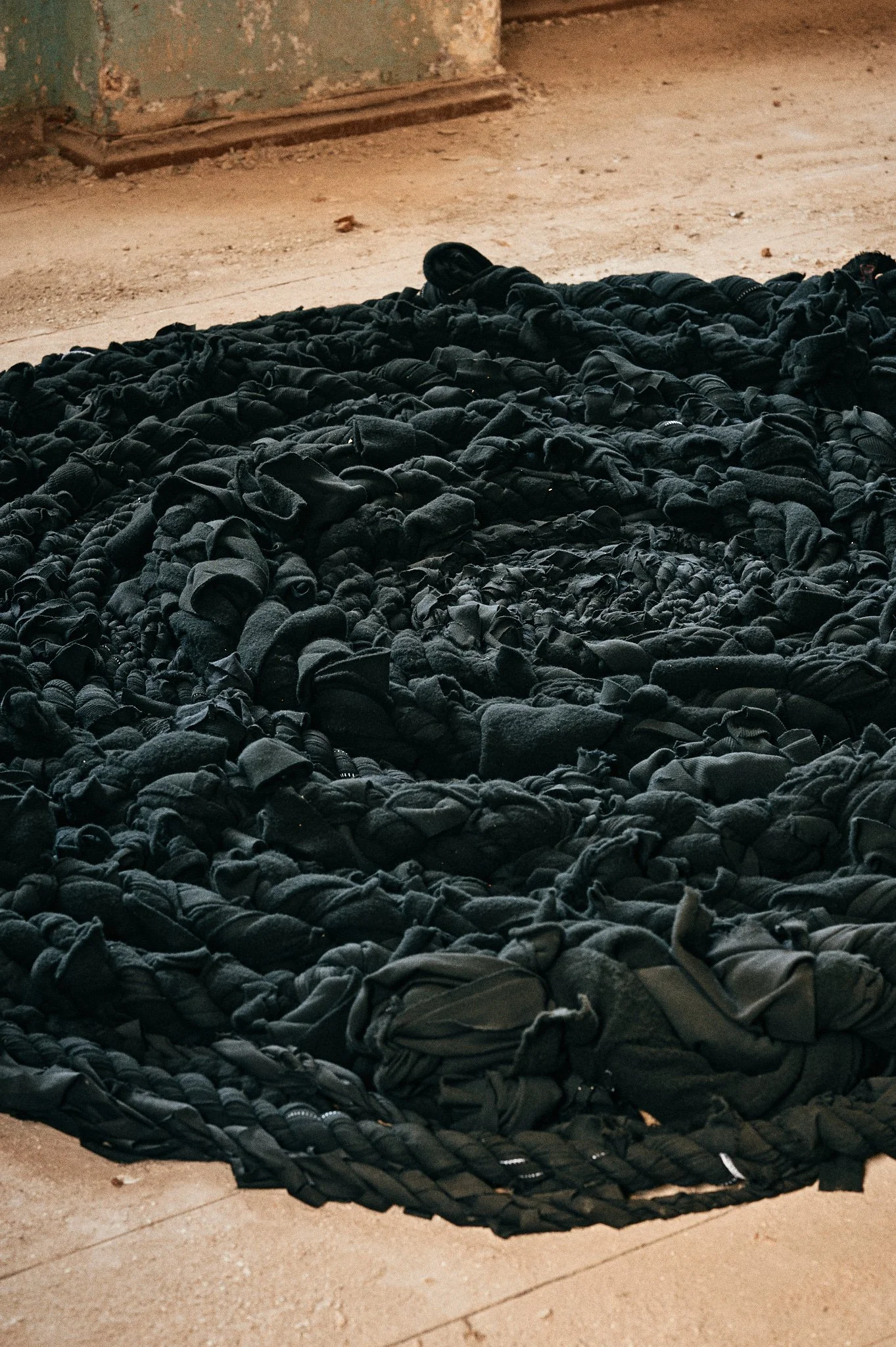
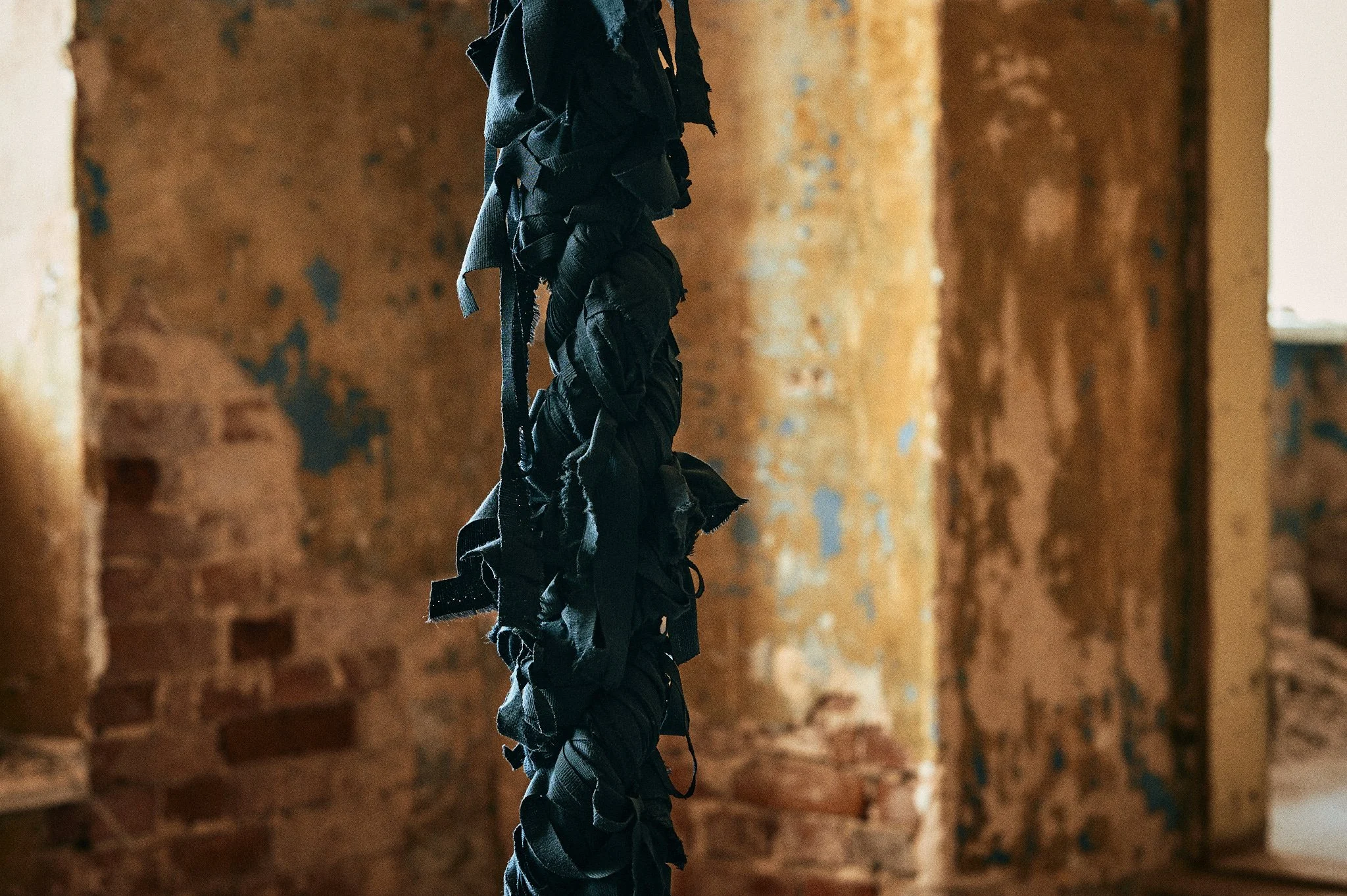
"When people think of recycled fabric, they often think of material that's been finely shredded and reconstituted into something new. That's a reasonable approach, but we felt it would be even better if we could use the fabric in a way that preserved its inherent qualities. Rope is something you can make simply by twisting fabric in one direction. When you bring three twisted strands together and twist them back the other way, the opposing forces balance each other out and the structure becomes stable. You end up with a strong rope from even quite flimsy fabric, without any adhesive. And if you keep applying that reverse twist to three ropes, the rotational tension accumulates internally, and you can even form something like a solid mass. It might be obvious to anyone who's made rope before, but we found those dynamics really fascinating as we worked," Yagi reflects.
Working with their hands throughout the research phase, the two eventually used a simple self-made jig and an impact driver to twist enough rope in the space of about a week.
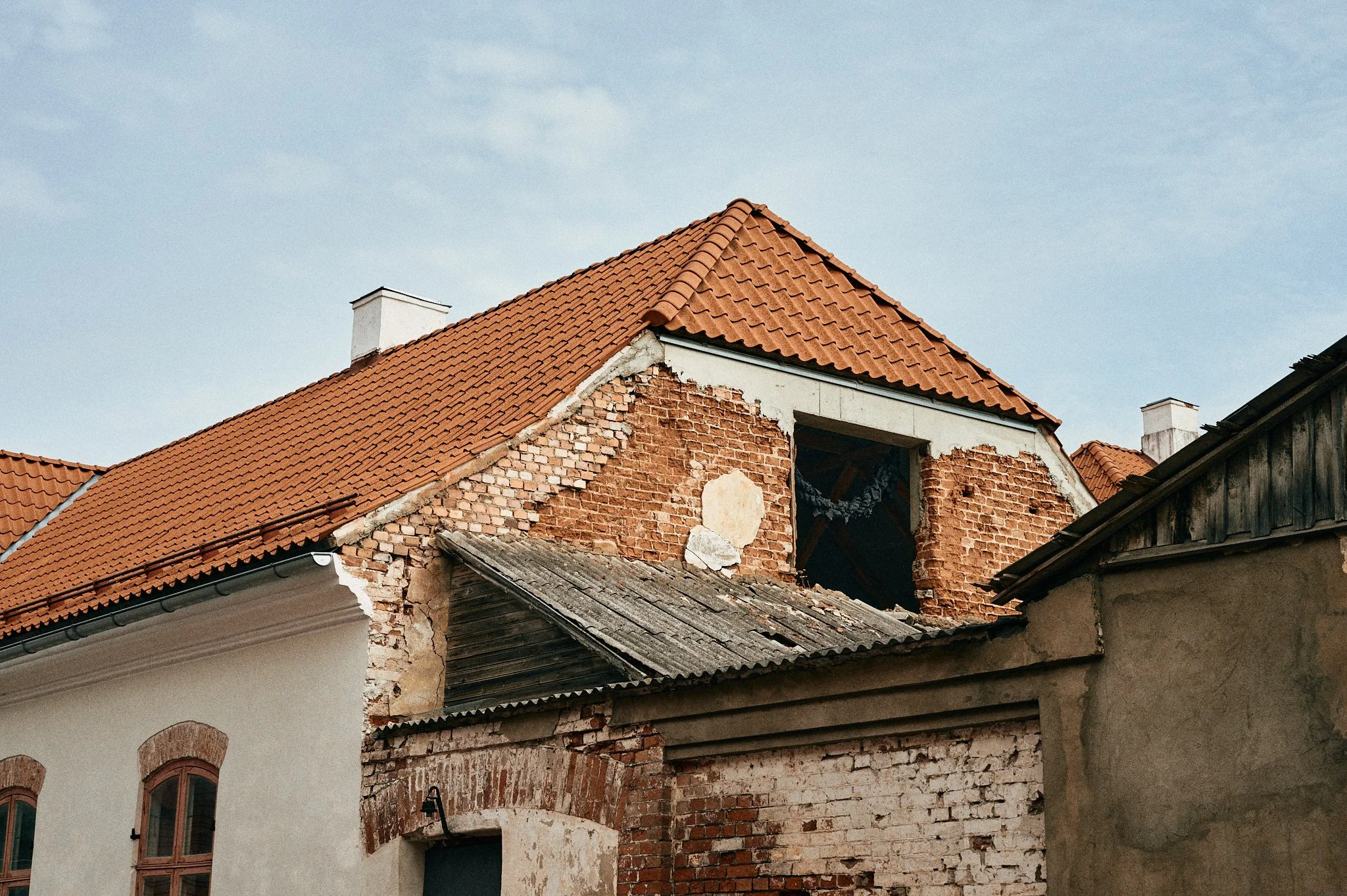
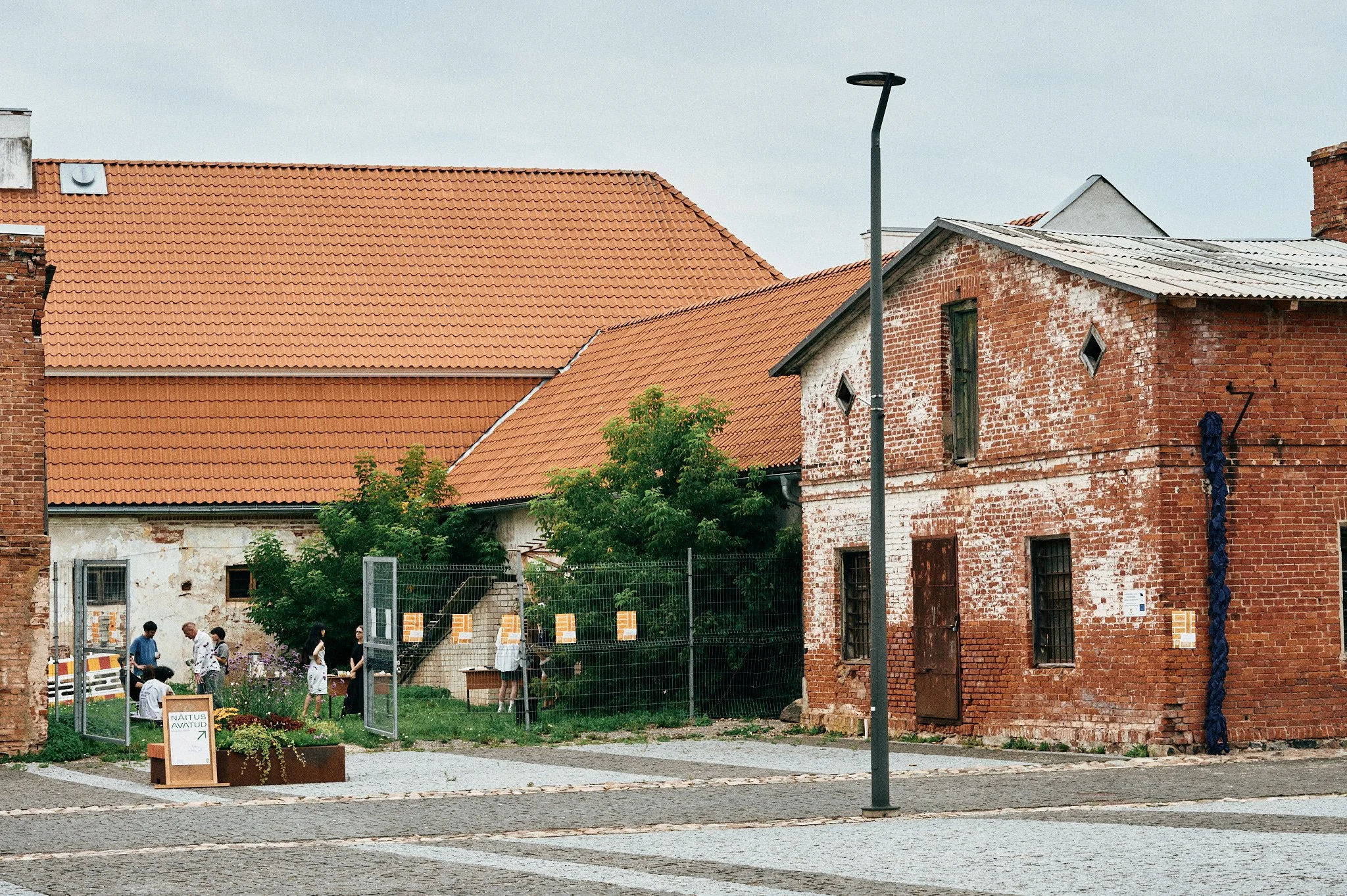
Glimpses of rope are visible through the upper-floor windows and outside the building.
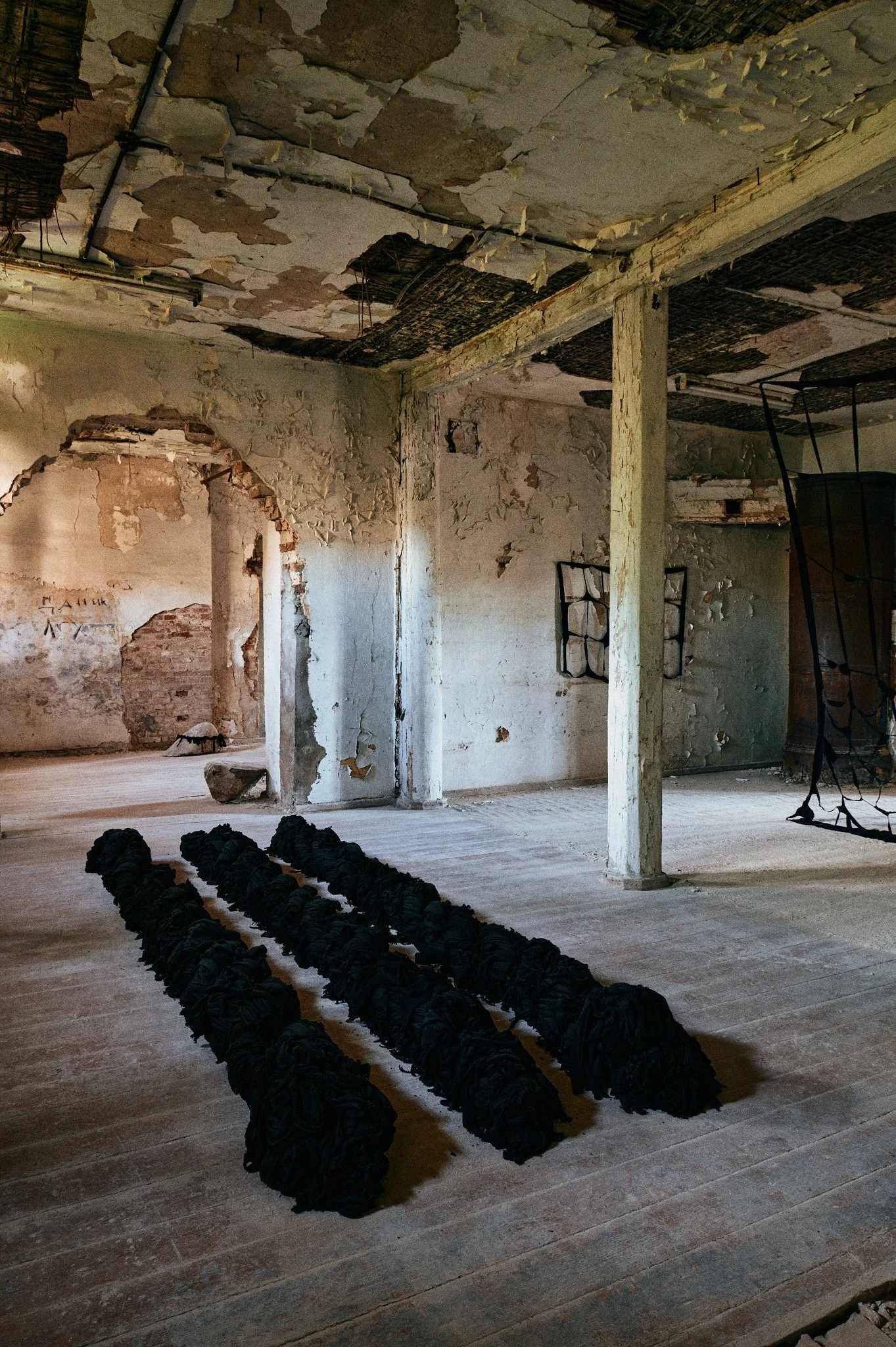
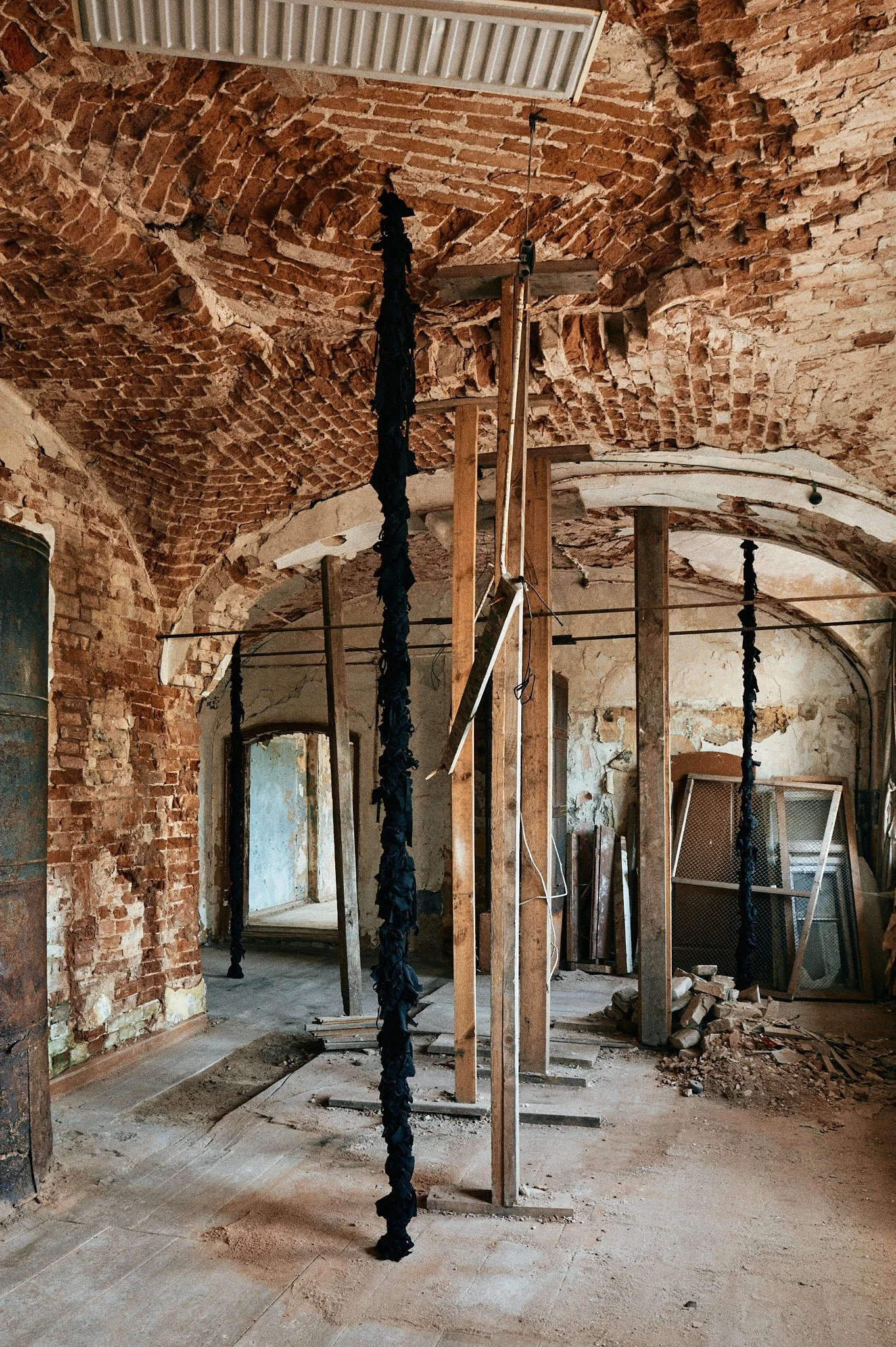
We asked about the venue chosen for the installation. "This building, right in the centre of the city, was once the town hall. It had been off-limits and left untouched after a fire, but the location felt right, and we hoped that by holding our exhibition here, we might spark some interest among local people in this remarkable architecture. Because the building itself is a listed heritage, we weren't able to drill into the ceiling or anything like that. So we hung the rope from hooks that had originally been used to suspend light fittings, and arranged some of it across sections of the floor," Takada explains.
"Rope is one of the earliest objects ever made by human hands. Without rope, there would be no pyramids and no seafaring. Drawing on that historical weight, this project was an attempt to democratise the process of reusing fabric waste through methods that anyone can try. We think of Entwined Matters not as an object with any fixed form, but as a kind of raw material," he says, summarising the work.
In the transformation from offcut textiles to rope, and in an installation approach that enters into quiet dialogue with a historic space, the convictions of two architects who believe that architecture should be art come through unmistakably. Their self-initiated practice Architecture of By-products continues to find latent purpose in discards, always with a respect for the stories the materials themselves carry. This installation was met with considerable enthusiasm from European curators, ultimately leading to an invitation to participate in an exhibition planned for the following year.
DETAIL
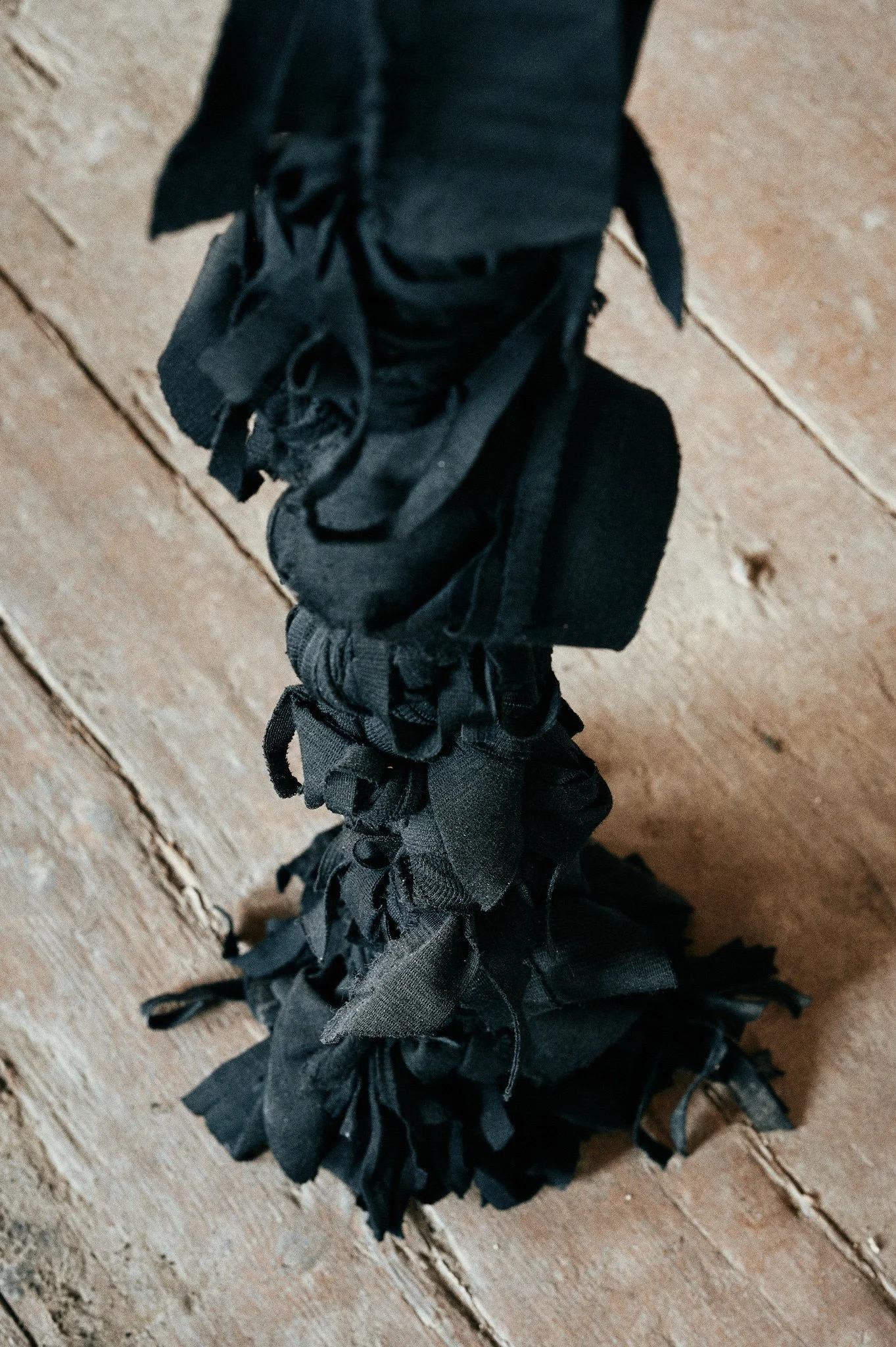
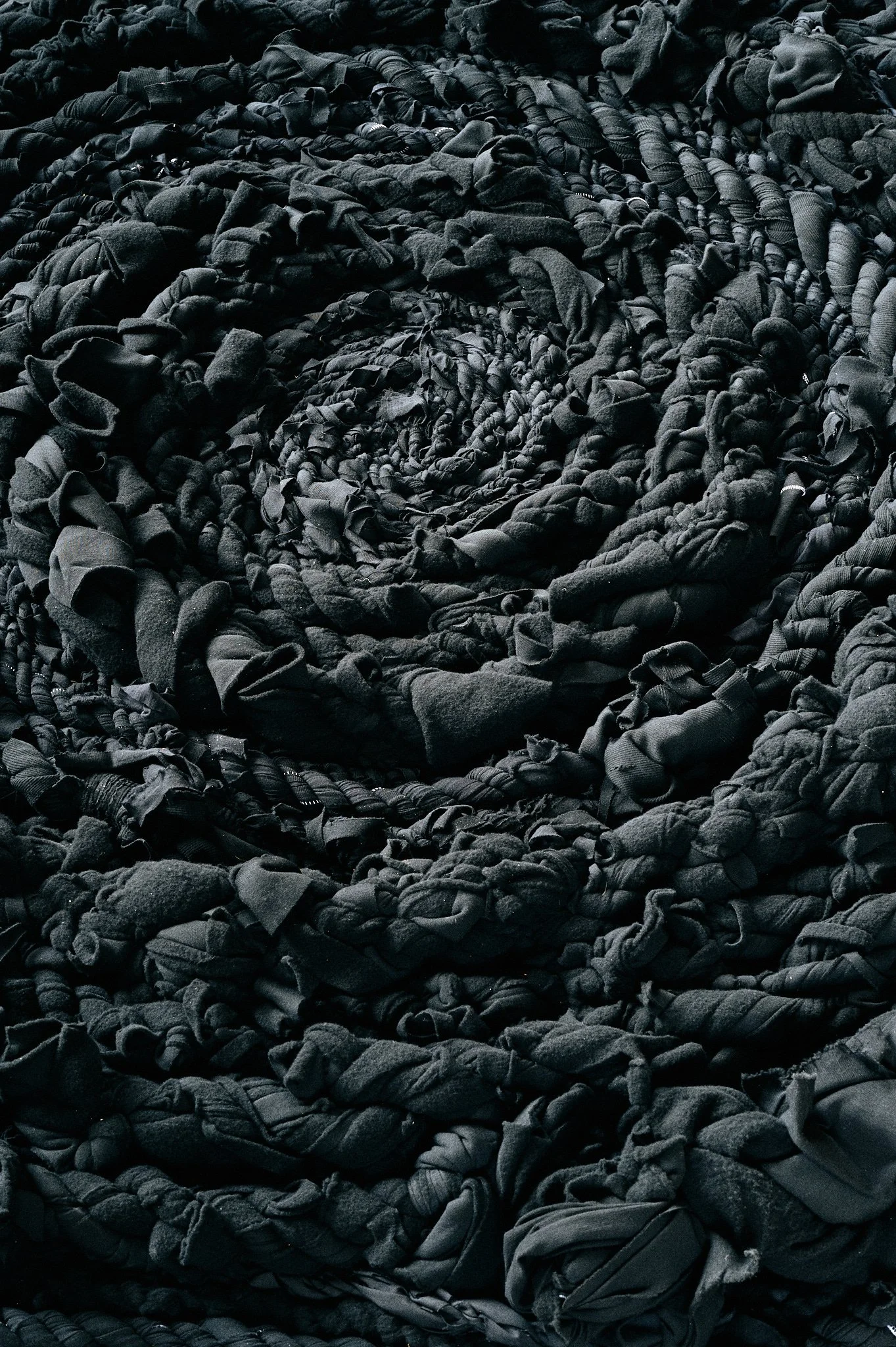
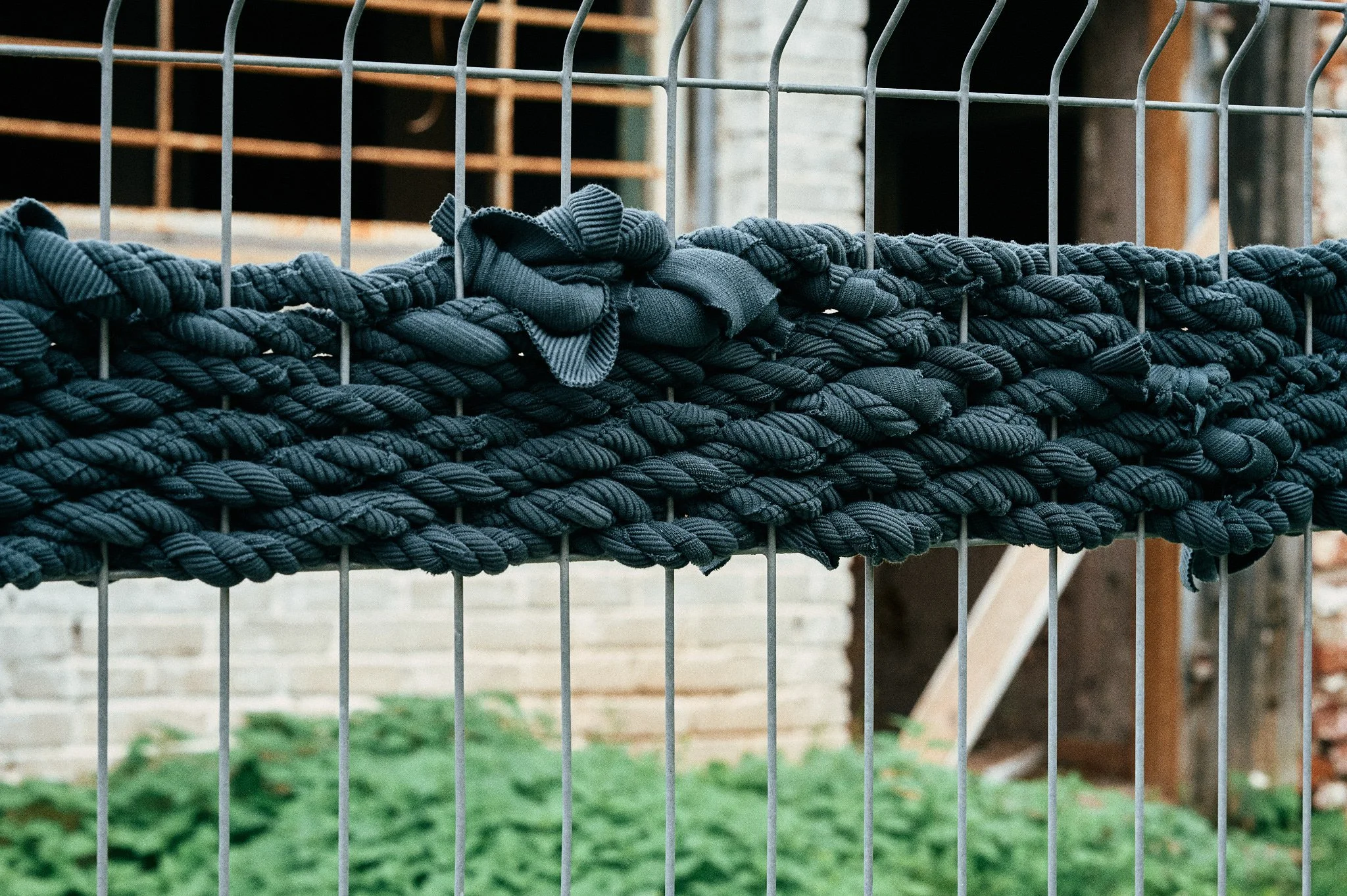
The installation arranged rope in dialogue with the architectural space: pieces suspended from the ceiling, others laid across the floor, and some woven into an outdoor fence.
CREDIT
Title: Entwined Matters
Installation Design:PAN- PROJECTS Yuriko Yagi Kazumasa Takada
Organiser: VARES
Project Partner: Tartu 2024, European Capital of Culture
Collaborator (Material Provider): Aclima
Production: PAN- PROJECTS & VARES
・
Location: Valga, Estonia
Opening date: August 2024
・
Material:off-cut textile





_